Saturday, October 24, 2026

Saturday, October 24, 2026
* All product/brand names, logos, and trademarks are property of their respective owners.
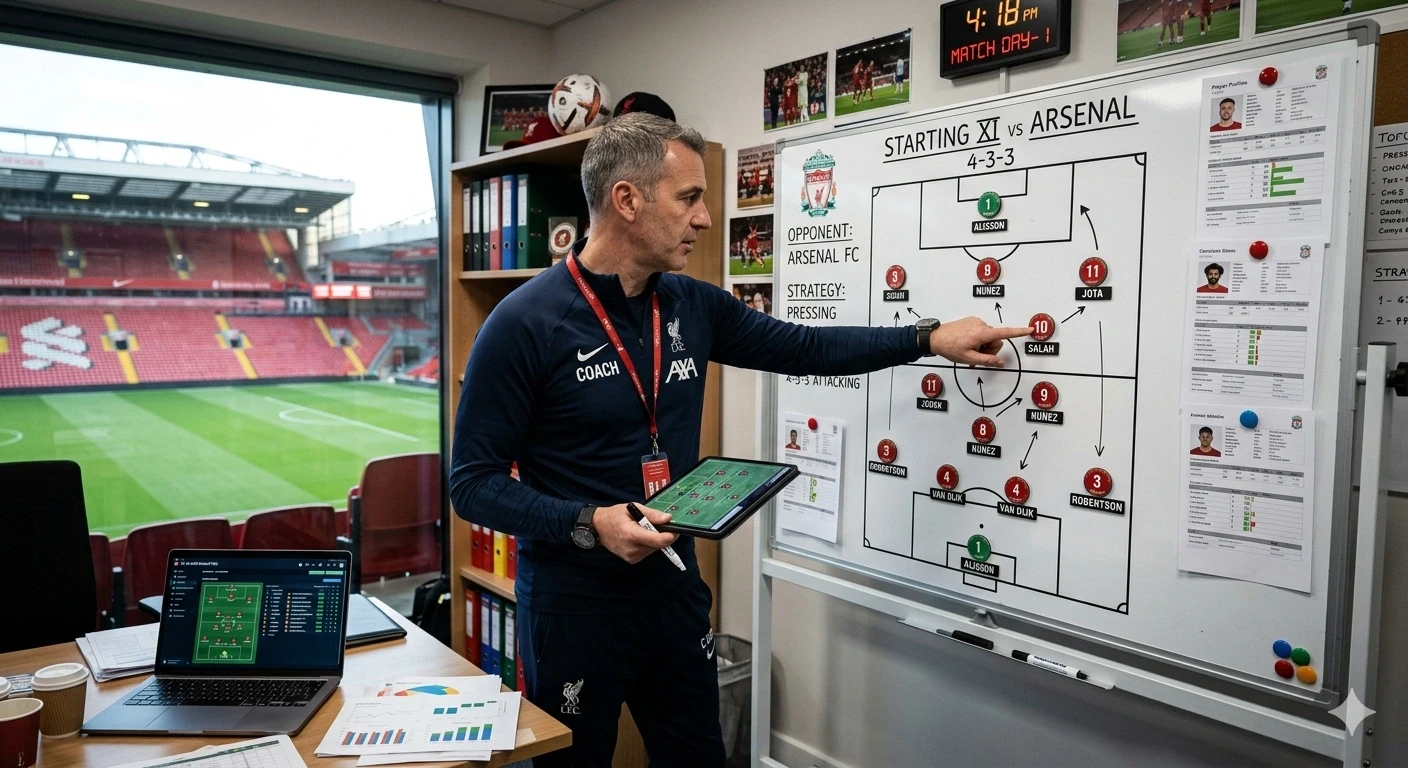
Football is one of the most strategic sports in the world, and one of the most important decisions a manager makes before every match is selecting the starting lineup, commonly known as the Playing 11. Fans often debate why certain players start while others remain on the bench, but the selection process involves much more than simply choosing the most talented individuals. Football managers consider a wide range of factors to build a balanced and competitive team capable of achieving the desired result.
The Playing 11 forms the foundation of a team's performance. A well-chosen lineup can maximise strengths, exploit the opponent's weaknesses, and improve the chances of winning. Managers must carefully assess player fitness, form, tactics, and team chemistry before making their final decision.
The objective is not always to select the eleven best players individually. Instead, managers aim to choose the eleven players who work best together within a specific game plan.
One of the first factors managers evaluate is current form. A player who has consistently delivered strong performances in recent matches is more likely to earn a place in the starting lineup. Goals, assists, defensive contributions, passing accuracy, and overall impact are all considered.
For example, a striker who has scored several goals in recent games may be preferred over a more famous player who is struggling with confidence or consistency. Managers reward good performances because it motivates players to maintain high standards.
Fitness plays a crucial role in team selection. Even the most talented player may not start if they are recovering from an injury or experiencing fatigue. Football is physically demanding, and managers rely on medical staff and fitness coaches to assess players' readiness.
A player returning from injury might begin on the bench to avoid aggravating the problem. Similarly, managers may rest key players during a busy schedule to keep them fresh for important matches later in the season.
Every football match presents unique tactical challenges. Managers analyse opponents and select players whose strengths align with the game plan.
For instance, if the opposition relies heavily on speed, a manager may choose faster defenders. Against a team that dominates possession, more defensive-minded midfielders could be selected. Tactical flexibility is essential, and managers often adjust their Playing 11 depending on the opponent.
This is why fans sometimes see unexpected selections. A player may not be a regular starter, but could be chosen because their skill set perfectly suits the upcoming match.
Football managers must ensure balance across all areas of the pitch. Selecting the Playing 11 is not simply about filling positions; it is about creating a cohesive unit.
A team needs the right mix of defenders, midfielders, and attackers. Managers also consider the balance between experienced players and younger talents. In midfield, for example, a creative playmaker may be paired with a defensive midfielder who provides protection.
The goal is to create a lineup where each player complements the others. A team filled with attacking stars may still struggle if there is insufficient defensive support.
Modern football relies heavily on data and analysis. Coaching staff study videos, statistics, and tactical patterns of upcoming opponents. This information helps managers make informed decisions.
If an opponent is vulnerable to aerial attacks, managers may choose taller forwards. If the opposing full-backs frequently move forward, speedy wingers may be selected to exploit the spaces left behind.
Detailed scouting reports allow managers to tailor their Playing 11 to maximise competitive advantages.
Training sessions provide managers with valuable insights into player readiness. Players who demonstrate commitment, focus, and strong performance during training often improve their chances of starting.
Training also allows managers to test tactical setups and assess how players work together. A player who performs exceptionally well in training may earn a surprise place in the lineup, even if they have not played regularly.
This approach encourages healthy competition within the squad and ensures that every player remains motivated.
Big matches often require players who can handle pressure. Managers consider mental strength, leadership qualities, and experience when selecting their team.
Veteran players are often trusted in high-pressure situations because they have faced similar challenges throughout their careers. Their composure can help stabilise the team during difficult moments.
At the same time, managers must balance experience with energy and enthusiasm from younger players.
Football is a team sport where understanding between players is essential. Managers pay close attention to partnerships across the pitch. Some players naturally work well together and enhance each other's performance.
For example, a striker may have excellent chemistry with a particular winger, leading to more scoring opportunities. Defenders who regularly play together often communicate better and maintain stronger defensive organisation.
Managers aim to fix football team issues by creating combinations that improve teamwork, communication, and overall effectiveness.
Throughout a season, teams compete in multiple competitions. Managers must think beyond a single match and manage player workloads carefully.
Squad rotation helps prevent fatigue and reduces injury risks. It also ensures that reserve players remain match-ready. Long-term planning is particularly important during congested schedules when teams may play several matches within a short period.
Choosing the Playing 11 is one of the most complex responsibilities of a football manager. The decision involves evaluating player form, fitness, tactics, training performances, opposition strengths, team chemistry, and long-term squad management. Successful managers understand that winning football matches requires more than selecting the most talented individuals. They must build a balanced and united team capable of executing a clear strategy. By carefully considering all these factors, managers increase their chances of success and ensure their teams remain competitive throughout the season.
Read more articles here.

Rishikesh, known as the Yoga Capital of the World, attracts thousands of spiritual seekers and aspir
12 June 2026
The FIFA World Cup 2026 is one of the most anticipated sporting events in the world. Unlike previous
10 June 2026
If you think a Business Analyst (BA) spends their day sitting in the back of a dim corporate confere
8 June 2026
Be the first to share your thoughts
No comments yet. Be the first to comment!
Share your thoughts and join the discussion below.