Saturday, October 24, 2026

Saturday, October 24, 2026
* All product/brand names, logos, and trademarks are property of their respective owners.
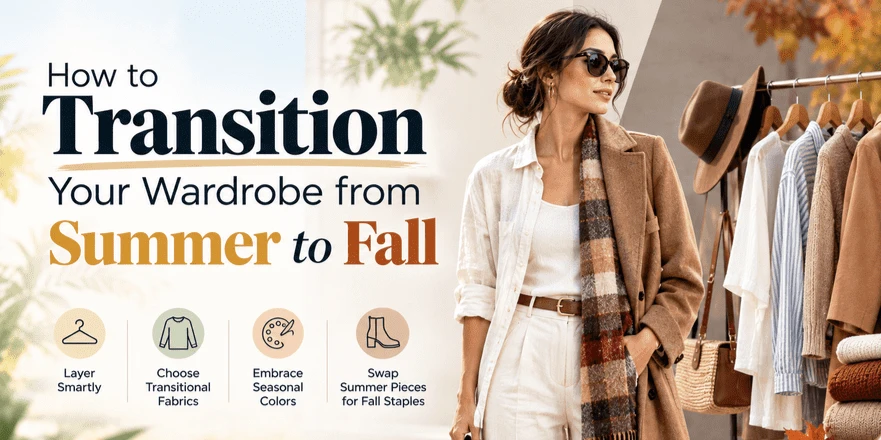
As the weather shifts from warm summer days to cooler fall evenings, your wardrobe may need a few thoughtful adjustments. Instead of replacing your entire collection, you can make the most of your existing clothes by introducing seasonal layers, choosing suitable fabrics, and experimenting with new outfit combinations. With a little planning, transitioning your wardrobe from summer to fall can be both practical and stylish.
Layering is one of the easiest ways to adapt summer outfits to changing temperatures. Lightweight cardigans, denim jackets, and open-front shirts can add warmth without making your outfit feel too heavy. These pieces are especially useful when mornings and evenings are cool but afternoons remain relatively warm.
For example, you can pair a summer top with jeans and a light jacket or layer a thin cardigan over a casual dress. Choosing removable layers also allows you to adjust your outfit throughout the day.
As temperatures begin to drop, consider gradually introducing fabrics that provide more warmth. Cotton remains a versatile option for mild weather, while denim, corduroy, wool blends, and knitwear can offer additional comfort as the season progresses.
You do not need to pack away every lightweight summer item immediately. Instead, keep breathable fabrics accessible for warmer days and combine them with heavier pieces when necessary. This approach helps you maintain comfort without sacrificing style.
Many summer outfits can remain part of your fall wardrobe with a few simple changes. Tops & Dresses can be styled with trousers, jeans, tights, or lightweight knitwear to create looks that feel appropriate for the changing season.
A sleeveless dress, for instance, can be paired with a cardigan and ankle boots. Similarly, a short-sleeved top can work well under a blazer or denim jacket. Reusing your favorite summer pieces is a practical way to create fresh outfits while making better use of your existing wardrobe.
Outerwear becomes increasingly useful as the weather cools. Start with lighter options, such as denim jackets, casual blazers, or lightweight trench coats, before moving toward warmer styles when temperatures drop further.
Jackets & coats can also help bring different elements of an outfit together. A neutral-colored jacket can complement bright summer clothing, while a structured coat can make a simple combination of jeans and a top look more polished.
When choosing outerwear, consider your local climate and daily routine. In areas where fall weather remains mild, lightweight layers may be more practical than thick winter coats.
Fall fashion often features earthy and muted shades, including brown, olive green, burgundy, navy, beige, and rust. Incorporating these colors can give familiar outfits a seasonal update without requiring a completely new wardrobe.
Try pairing a neutral top with dark denim or combining a light-colored dress with a brown jacket. You can also introduce seasonal colors through accessories, such as handbags, scarves, belts, and footwear.
There is no need to abandon brighter summer colors entirely. Mixing vibrant shades with deeper tones can create balanced outfits that work well during the transition between seasons.
Footwear can make a noticeable difference when adapting outfits for fall. As the weather changes, consider rotating some sandals out for loafers, sneakers, ankle boots, or other closed-toe shoes that suit your daily activities.
Accessories can also help refresh familiar clothing combinations. Lightweight scarves, structured handbags, and simple belts can add texture and interest to an outfit. For cooler days, socks and tights provide an additional layer of comfort while allowing you to continue wearing some of your favorite skirts and dresses.
Choose accessories that complement several outfits rather than purchasing items for only one occasion. This makes your seasonal wardrobe easier to coordinate.
Before buying new clothes, take some time to review what you already own. Separate your summer essentials from pieces that work across multiple seasons, and identify any genuine gaps in your fall wardrobe.
Ask yourself a few simple questions:
Once you understand what you need, you can shop more intentionally and avoid buying similar items unnecessarily. Prioritizing versatile clothing also makes it easier to create multiple outfits from a smaller collection.
A functional fall wardrobe does not have to be large. A few well-chosen basics can create numerous combinations for work, casual outings, and weekend activities.
Consider keeping these items within easy reach:
Focus on pieces that suit your personal style, fit comfortably, and mix and match easily. This makes getting dressed easier while helping you make the most of your clothing throughout the season.
Transitioning your wardrobe from summer to fall is about making small, thoughtful changes rather than starting over. By layering strategically, choosing season-appropriate fabrics, adjusting your color palette, and reusing your favorite clothing, you can create outfits that remain comfortable and stylish as temperatures change.
Take stock of your existing wardrobe before shopping, invest in versatile essentials when needed, and choose combinations that suit your lifestyle and local weather. With a little creativity, your summer favorites can continue to serve you well throughout the fall season.

Every bride dreams of looking stunning on her wedding day while feeling comfortable and confident. F
30 July 2026
Be the first to share your thoughts
No comments yet. Be the first to comment!
Share your thoughts and join the discussion below.