Saturday, October 24, 2026

Saturday, October 24, 2026
* All product/brand names, logos, and trademarks are property of their respective owners.
Every day, Australian households, businesses and construction projects produce waste that needs to be collected, processed or disposed of. While recycling, reuse and resource recovery can divert some materials from landfill, a significant amount of waste still requires final disposal.
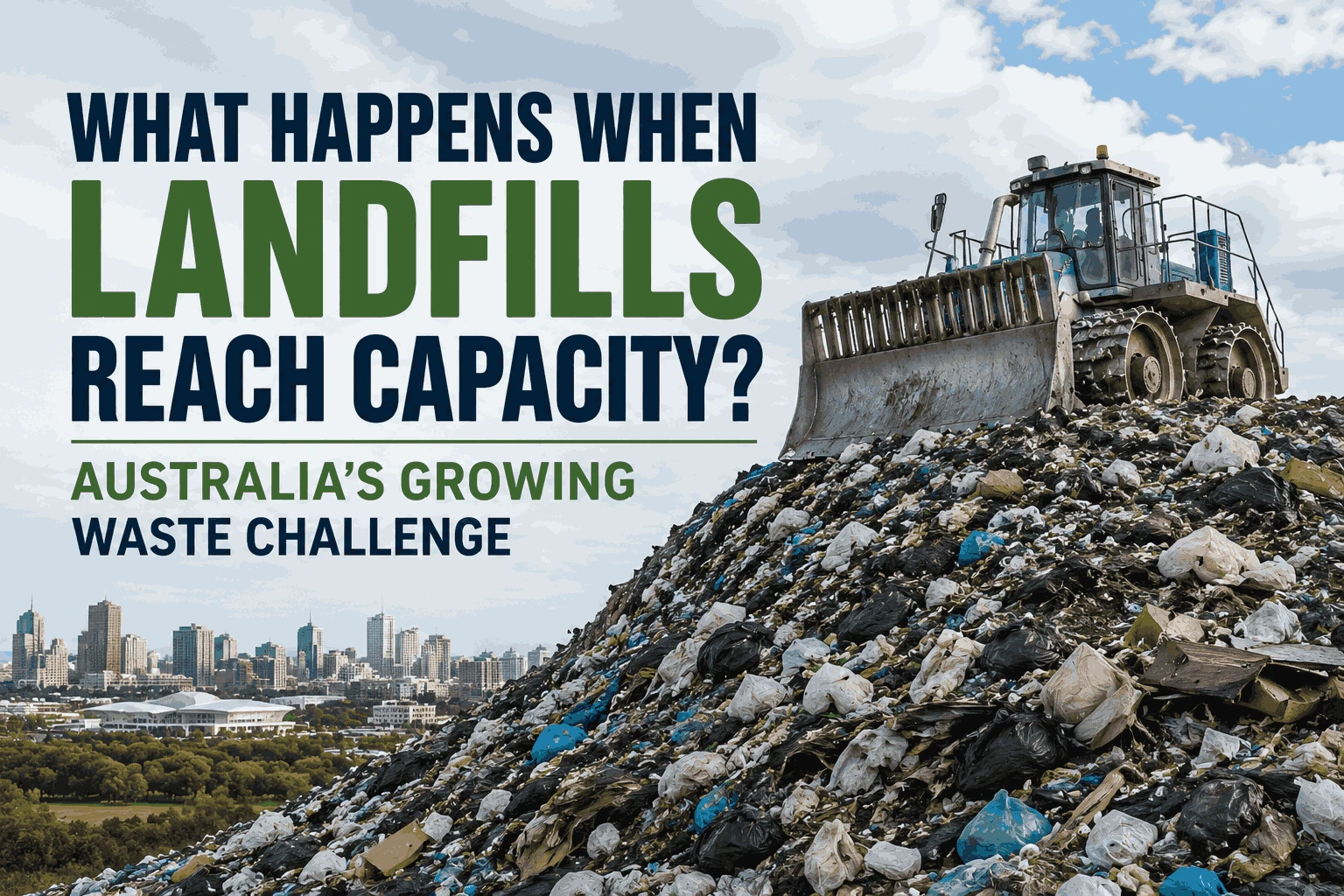
This raises an important question: what happens when landfills reach capacity?
For growing cities such as Adelaide, understanding this challenge is particularly important. As residential development, renovations, construction and commercial activity continue to generate waste, effective collection and disposal become increasingly important.
Landfills are carefully planned facilities rather than unlimited dumping grounds. They have designated areas, operating conditions and an approved capacity based on factors such as available land, engineering requirements and environmental considerations.
Over time, however, waste continues to accumulate.
Even when rubbish is compacted to use available space efficiently, a landfill will eventually approach its planned capacity. Before that happens, operators and authorities need to consider what comes next.
This can involve expanding existing infrastructure where possible, developing new facilities or directing certain waste streams toward alternative recovery and disposal options.
A landfill reaching capacity doesn't mean waste collection suddenly stops.
Instead, waste may need to be transported to another approved facility that has available capacity and is equipped to handle that particular material.
For communities, this can create additional logistical challenges. Waste may have to travel further, potentially increasing transportation requirements and costs.
The situation also highlights why reducing the amount of waste requiring final disposal is important.
The less suitable material sent to landfill, the longer existing disposal infrastructure may potentially remain useful.
Adelaide is home to a growing population, established suburbs, new developments and ongoing residential and commercial construction.
All of these activities produce waste.
A household decluttering a garage might generate unwanted furniture, packaging and general rubbish. A renovation can produce timber, plasterboard, tiles and other building materials. Construction projects can generate much larger quantities of materials that need to be sorted and removed.
For Adelaide homeowners and businesses, responsible waste planning can therefore make a difference at both the individual project level and the wider waste-management level.
One of the biggest opportunities in modern waste management is recognising that different materials can have different destinations.
Depending on local facilities and regulations, waste may potentially be directed toward:
Recycling
Reuse
Organics processing
Resource recovery
Specialist treatment
Approved landfill disposal
For example, recyclable materials may have an opportunity to be recovered, while certain organic materials can be processed separately.
The key is identifying the material before deciding how it should be disposed of.
Mixing everything can make waste recovery more difficult.
A property cleanup might contain cardboard, metal, timber, garden waste, packaging and general rubbish. Treating the entire load as one type of waste can mean potentially recoverable materials are lost among unsuitable materials.
Separating waste where practical can help improve the chances of materials being directed to the appropriate processing or disposal pathway.
This is especially useful during larger projects where several different materials are being removed at once.
Home renovations are a good example of how quickly waste volumes can increase.
Removing an old kitchen, bathroom, flooring or internal walls can generate a mixture of materials. Even a relatively small renovation can produce considerably more waste than a standard household bin can accommodate.
For larger projects in Adelaide, planning waste collection before work begins can help prevent piles of rubbish from accumulating around the property.
It is also worth estimating the volume of waste before hiring a collection container. Choosing the right skip bin size for your project can make it easier to manage waste throughout the cleanup.
A skip bin that is too small may fill before a project is complete, while choosing an unnecessarily large container may not be the most practical option.
The amount and type of waste should therefore be considered before booking a bin.
Think about:
The size of the project
How long the cleanup will take
The materials being removed
The estimated volume of rubbish
Whether bulky items are involved
Available space for the bin
Planning these details can make waste removal more straightforward.
When a local landfill or disposal facility approaches capacity, waste may need to travel to another facility.
The distance depends on the available infrastructure and the type of material involved.
For Adelaide households and businesses, this reinforces the importance of reducing unnecessary waste and using appropriate recycling and recovery pathways whenever possible.
Waste transportation requires vehicles, fuel, labour and coordination. Reducing the amount of waste that requires long-distance transportation can therefore be beneficial from both an operational and environmental perspective.
The landfill-capacity challenge can seem like something that only governments, councils and waste operators need to worry about.
However, households also have a role to play.
Simple changes can include:
Consider whether furniture, appliances, building materials or other unwanted items can be repaired, donated or reused before being discarded.
Use your recycling service according to current local guidelines. Don't put unsuitable materials into recycling simply because you aren't sure where else they belong.
When completing a renovation or property cleanup, separate materials where practical rather than mixing everything.
If you're clearing a garage, preparing a property for sale, or completing a renovation, estimate how much waste you'll generate before the project starts.
Large quantities of waste may require a more suitable collection method than standard household bins.
Planning can help prevent overflowing bins, repeated trips, and unnecessary delays.
Construction and renovation businesses can have an even greater influence on waste volumes.
A single project can generate large quantities of concrete, bricks, timber, metal, packaging and other materials.
Good waste planning can begin before construction starts. Contractors can identify the expected materials, determine which items may be recoverable and organise suitable collection options for the remaining waste.
This can also help keep worksites cleaner and safer.
For larger Adelaide projects, having a clear waste-removal plan can prevent unwanted materials from building up and interfering with ongoing work.
Recycling can reduce the amount of material sent to landfill, but it isn't a complete solution by itself.
Not every material can currently be recycled through standard household systems, and some items require specialist processing.
There is also a difference between something being technically recyclable and it being accepted through a particular local collection service.
That is why responsible waste management involves more than simply putting everything in the recycling bin.
The goal is to identify the waste, understand the available options and send each material through the most appropriate pathway.
Landfill capacity is only one part of Australia's wider waste challenge.
Population growth, construction activity, consumer habits and increasing material consumption all contribute to the amount of waste requiring management.
At the same time, recycling technology, resource recovery and waste-processing infrastructure continue to develop.
The long-term challenge is finding a balance between providing enough disposal capacity and reducing the amount of material that needs final disposal in the first place.
Failing to plan for future waste volumes can create pressure on the entire waste-management system.
When disposal capacity becomes limited, communities may face greater transportation requirements, increased infrastructure needs, and higher costs associated with handling waste.
For individuals, poor planning can create much smaller but still frustrating problems: overflowing household bins, rubbish accumulating on a property or needing multiple disposal trips during a renovation.
Planning waste collection before a project begins can help avoid many of these issues.
Australia's landfill challenge isn't something that can be solved overnight.
However, households and businesses can contribute by reducing unnecessary waste, reusing materials, recycling correctly and choosing suitable disposal methods.
For Adelaide residents, this can be as simple as understanding what type of waste a project will produce and arranging the right collection solution before the work begins.

I’m an easygoing and determined person who enjoys discovering new opportunities and learning from every experience. I value authenticity, positive thinking, and meaningful connections with people around me.
Be the first to share your thoughts
No comments yet. Be the first to comment!
Share your thoughts and join the discussion below.