Sunday, October 4, 2026

Sunday, October 4, 2026
.webp)
* All product/brand names, logos, and trademarks are property of their respective owners.
Walk into any well-finished home, office or retail unit and you'll notice something you probably can't quite put your finger on: everything looks finished. Floors meet walls cleanly. Tile edges don't look raw. Doorways have crisp, even lines. None of this happens by accident — it's the result of careful use of bars, edging and finishing trims.
These small components rarely get the credit they deserve. They're not the star of a renovation the way a new kitchen or a herringbone floor is, yet they quietly do a lot of heavy lifting. A good trim protects a vulnerable edge from knocks, moisture and wear. It hides the untidy join between two different materials. It gives a professional, considered finish to work that might otherwise look unfinished, however good the underlying job was.
This guide walks through the main categories: flat bar trims, tile trim, wooden timber edging, square bars, and architraves and finishing trims, along with guidance on choosing the right one for your project.
Bars and edging trims are narrow strips of material — typically metal, timber, or occasionally uPVC — used to finish, protect or transition between two surfaces. They serve a mix of practical and aesthetic purposes:
You'll find these products across construction, flooring and joinery trades — from a flat metal strip separating tile from carpet, to a timber edging strip finishing a raised deck, to an architrave framing a doorway. Despite their differences, they share a common purpose: turning a rough edge into a neat, durable one.
Stairs Nosing UK stock a range of these finishing trims and edging profiles, reflecting just how many variations exist to suit different materials, thicknesses and applications.
Thin metal strips that hide the seam where two floors meet — say, tile running into laminate. They lie flat, so there's no lip to catch your foot on.
Materials & finishes:
Where you'll find them:
Why bother: Stops flooring edges from chipping or fraying, and gives the floor room to expand and contract without cracking.
Worth checking: Match the bar's thickness to the height gap between floors, and pick a finish that either blends in or stands out on purpose.
The strip that finishes off a tiled edge — fitted right into the adhesive alongside the last row of tiles as they're laid.
Materials & finishes:
Where it's used:
Why bother: Saves you from rough, exposed tile edges that chip easily, and gives a cleaner line than grouting alone.
Worth checking:
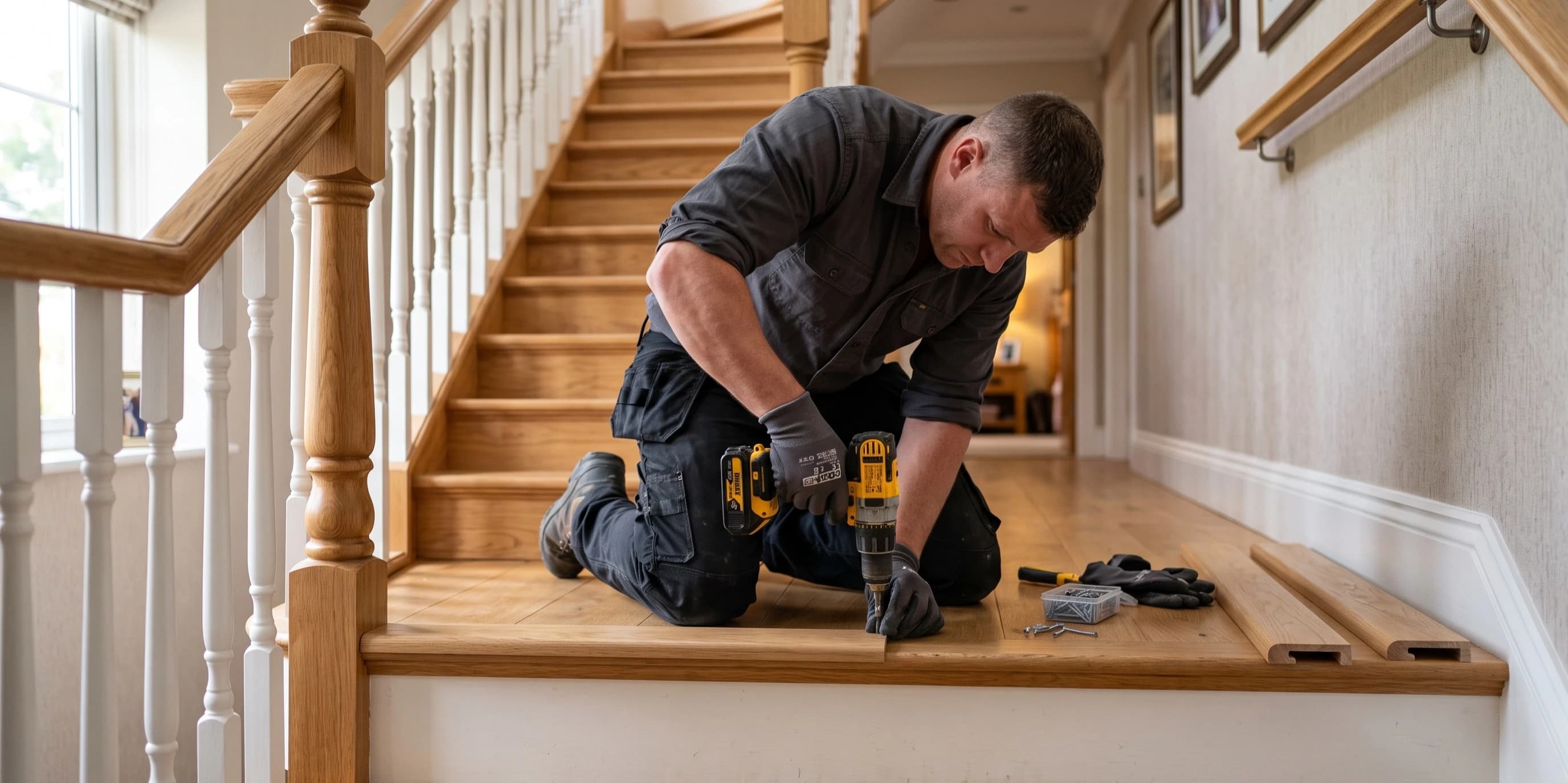
Solid wood or engineered timber strips used to finish exposed edges — flooring, decking, stairs, joinery. The whole point is that it matches the wood around it, unlike metal or plastic.
Materials & finishes:
Where it's used:
Why bother: Protects edges from splitting and moisture, while looking like a deliberate design choice rather than an unfinished edge.
Worth checking: Make sure the wood species and grain actually match your existing wood (unless contrast is the goal), and use weather-treated wood or a suitable hardwood outdoors.
Similar idea to flat bars, but with a squared, right-angled profile that sits slightly proud of the floor rather than flush — giving a more defined edge.
Materials & finishes:
Where it's used:
Why bother:
Worth checking: Because it sits proud, make sure it won't be a trip hazard in busy pedestrian areas, and pick a height that suits the transition.
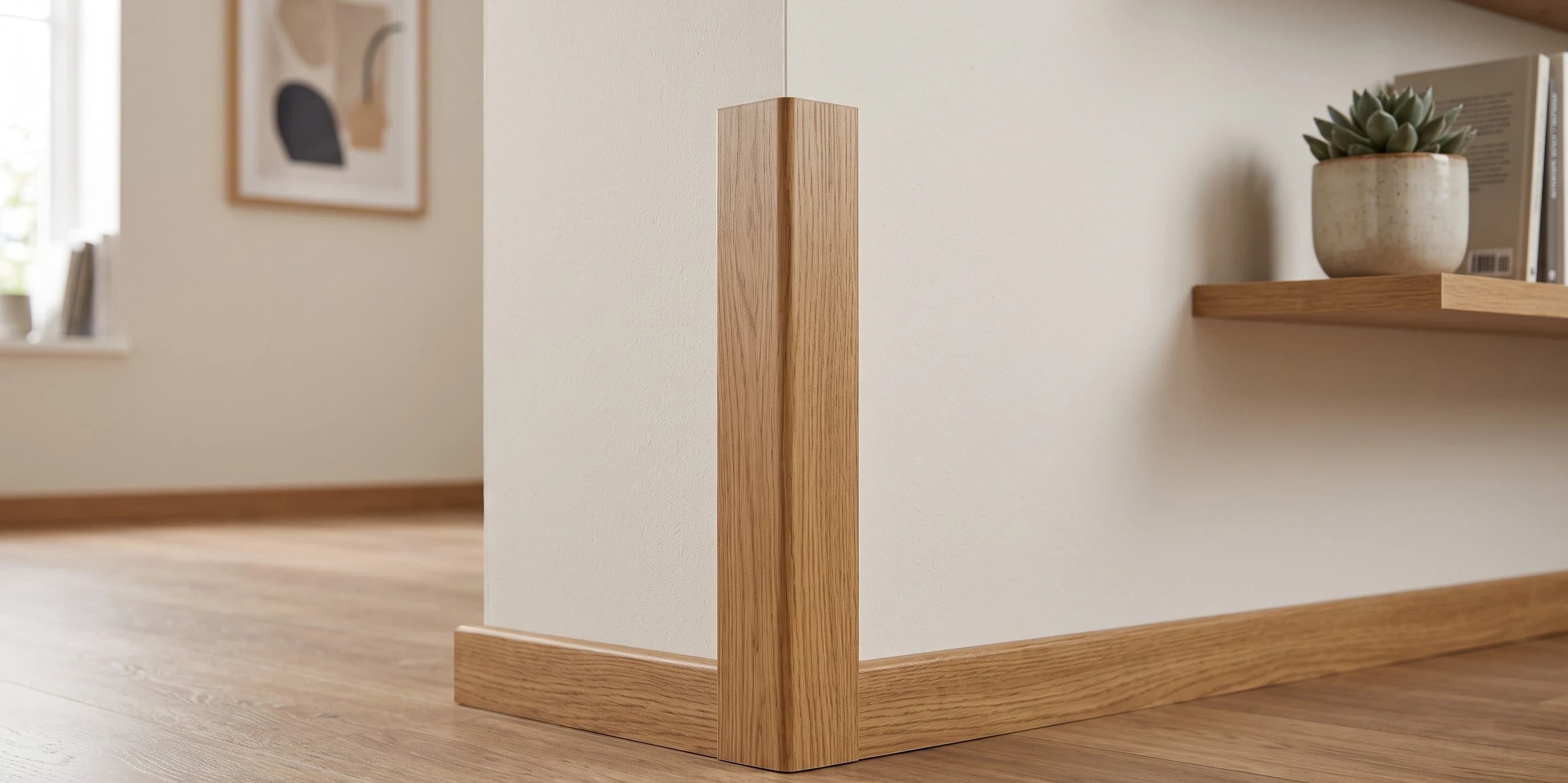
Architraves are the decorative trim around doors and windows, covering the gap between the frame and the wall. "Finishing trims" is a broader term for similar mouldings used elsewhere — walls, ceilings, joinery.
Materials & finishes:
Where it's used:
Why bother:
Worth checking: Match the profile and width to the property's style — plainer for modern homes, more moulded and decorative for period properties.
| Application | Most suitable trim |
|---|---|
| Doorway threshold between two floor types | Flat bar trim |
| Tiled bathroom or kitchen wall edges | Tile trim |
| Exposed edge of wood or engineered flooring | Wooden timber edging |
| Step nosing or level change needing visibility | Square bar |
| Around doors and windows | Architrave |
| Skirting-to-wall or corner joins | Finishing trims |
As a general rule: use flat bar trims for low-profile, flush transitions; tile trim wherever a tile edge is exposed; timber edging when you want the trim to blend with existing wood; square bars when a more visible or protective raised edge is needed; and architraves and finishing trims for framing openings and covering wall joins.
With so many bars and edging solutions available, a structured approach helps narrow down the right choice:
For those sourcing these products, browsing a dedicated range of bars and edging solutions makes it easier to compare materials, finishes and dimensions side by side before committing to a specific profile.
Bars, edging and finishing trims might be small in scale compared to the flooring, tiling or joinery they accompany, but their impact on the finished result is significant. The right flat bar trim makes a flooring transition safe and unobtrusive. Tile trim turns a raw, chippable edge into a neat, protected line. Timber edging blends seamlessly with wood flooring and decking. Square bars add both visibility and protection where it's needed. Architraves and finishing trims frame doorways and wall joins with a professional, finished appearance.
Taking the time to choose the correct material, dimensions and finish — rather than treating trims as an afterthought — pays off in both the durability and the appearance of the finished space. Whether you're a homeowner tackling a DIY flooring project, a contractor finishing a new build, or a designer specifying materials for a client, getting these details right is part of what separates a good job from a genuinely well-finished one.

A home elevator can make everyday movement between floors more convenient, especially in multi-store
25 September 2026
Stairs get more daily wear than almost any other part of a building, yet the edge of each step is of
18 September 2026
When a corner starts chipping, cracking, or scuffing, the instinctive response is often to reach for
14 September 2026
Be the first to share your thoughts
No comments yet. Be the first to comment!
Share your thoughts and join the discussion below.