Sunday, October 4, 2026

Sunday, October 4, 2026
* All product/brand names, logos, and trademarks are property of their respective owners.
Anyone who has taken on an outdoor project in Britain knows the weather rarely cooperates for long. A dry, still afternoon can turn into driving rain by evening, and a "temporary" cover left over the weekend can end up flapping loose after a single windy night. Indoor DIY has the luxury of a controlled environment; garden projects don't. Materials left outside are exposed to rain, wind, UV light, damp ground, and the attentions of birds, foxes and cats — often all within the same week.
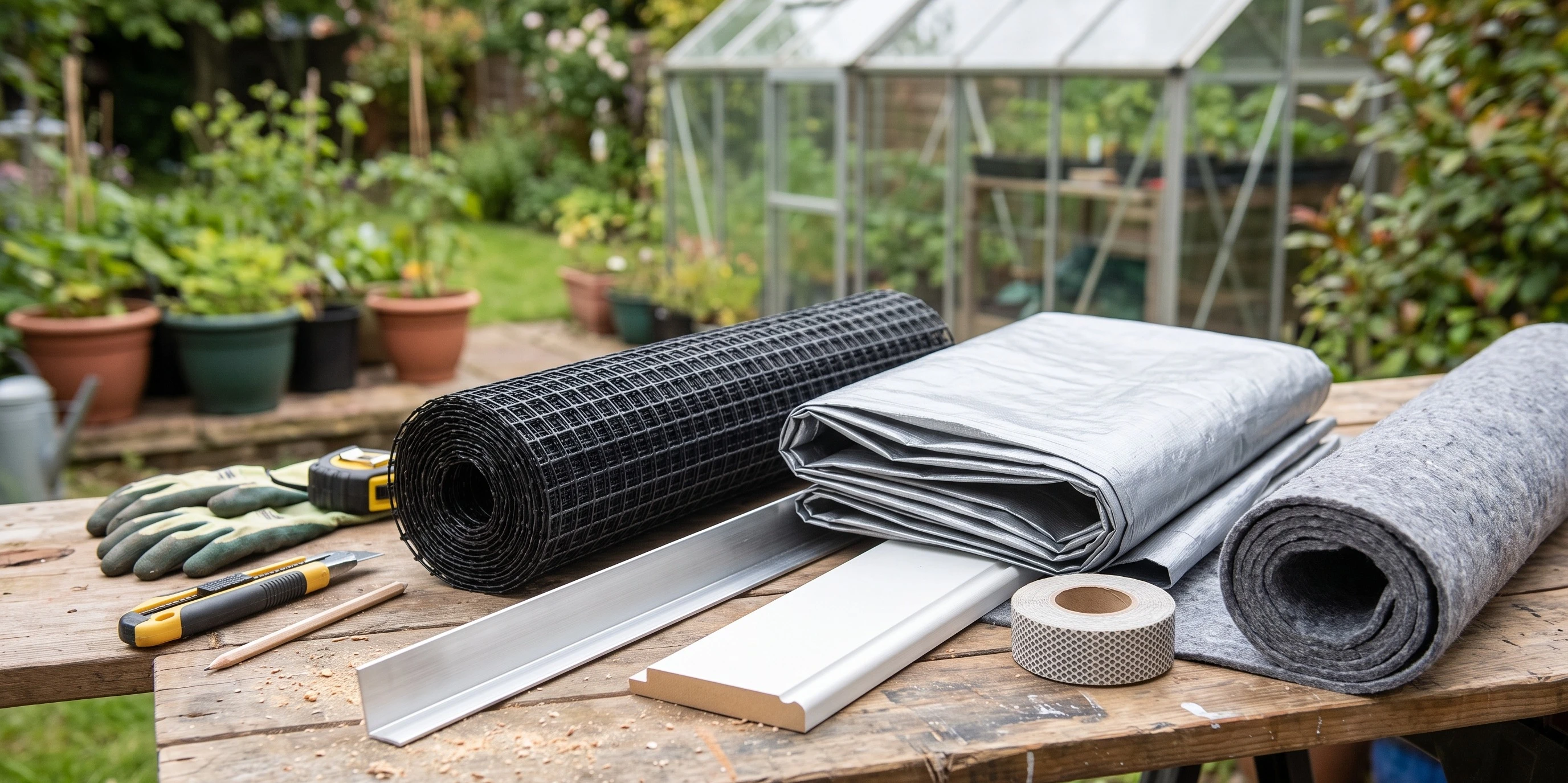
That's why outdoor DIY needs a different kind of planning. Rather than buying whatever's cheapest or nearest to hand, it pays to think about what a project will actually be exposed to, and to choose materials that are fit for that exposure from the outset. This guide walks through the key materials — tile trim, skirting board, tarpaulins, rope, netting and pond liner — and how they work together to keep home & garden protected, secure and built to last.
Tarpaulins are one of the most versatile items in a gardener's toolkit. They're commonly used to cover garden furniture over winter, protect stacked timber or paving slabs, shield building materials during a renovation, or throw over a half-finished project before a forecast downpour.
But not all tarpaulins are equal, and picking the wrong one is a common source of frustration. Before buying, it's worth considering:
| Factor | What to consider |
|---|---|
| Dimensions | Measure what you're covering, including height if it's a stack rather than a flat surface, and buy a tarpaulin with enough overhang to secure properly at the edges. |
| Material and weight | Lightweight polyethylene sheets are fine for short-term, low-stress cover — protecting a bag of compost overnight, say. Heavier-duty, reinforced tarpaulins are better suited to prolonged outdoor exposure, larger stacks, or situations where wind loading is a real concern. |
| Waterproofing and UV resistance | A genuinely waterproof tarpaulin will have taped or welded seams rather than simple stitching, which can let water through. If the cover will be left in direct sun for weeks or months, UV-stabilised material will resist becoming brittle and cracking. |
| Fixing points | Reinforced eyelets at regular intervals make a real difference when it comes to tying down a cover securely, particularly in exposed or windy gardens. |
| Expected duration of use | A tarpaulin needed for an afternoon doesn't need the same specification as one left in place over an entire winter. Matching the product to the job — rather than automatically buying the cheapest or the heaviest option — usually gives the best results. |
A tarpaulin is only as good as how well it's secured. Simply draping a cover over furniture or materials and hoping for the best is one of the most common outdoor DIY mistakes — the first strong gust tends to undo it. Different rope materials behave differently outdoors, and it's worth choosing accordingly:
It's worth being clear about limitations here too. General-purpose garden rope is intended for securing covers, bundling materials, and light support tasks — not for climbing, lifting heavy loads, or any other safety-critical application.
Garden netting solves a different set of problems: not keeping water out, but keeping wildlife out (or occasionally, in).
Common applications include:
The right choice depends heavily on mesh size and material. Fine mesh is needed to keep out smaller pests like butterflies (useful for brassicas, where cabbage white caterpillars are a persistent problem), while a wider mesh is often sufficient for larger birds and general debris. Dimensions matter too — buying netting that's too small for the bed or tree in question tends to lead to gaps, which rather defeats the purpose.
A garden pond is one of the more ambitious outdoor projects, and pond liner is what makes the whole thing hold water. Its job is straightforward in principle — create a flexible, waterproof barrier between the excavated hole and the water itself — but getting the foundations right takes some care.
Where a pond will house fish or other wildlife, it's worth choosing pond-liner products that are specifically intended for aquatic use, and checking the manufacturer's own guidance on suitability rather than assuming all liners are equivalent.
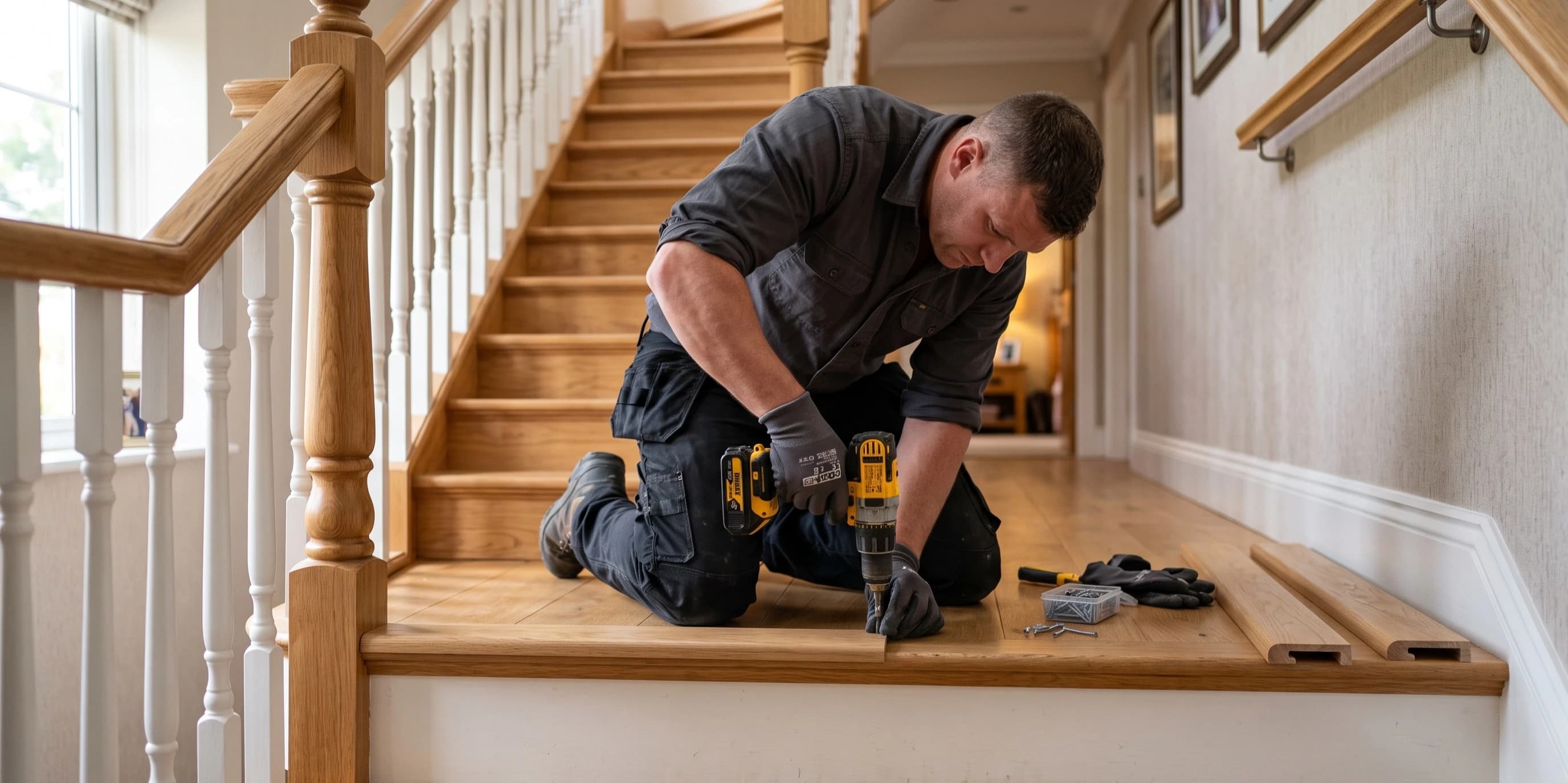
The same principle — choosing materials suited to their actual conditions — applies just as much indoors. Two areas homeowners often underestimate are tile trim and skirting board, both of which are easy to get wrong if bought without thinking through the room they're going into.
Tile trim finishes the exposed edge of tiling, typically around bathroom or kitchen surfaces, worktops, or where tiling meets another material. Beyond looks, it protects the tile edge from chipping and stops water getting behind the tiles at vulnerable joints.
Material matters here: The affordable PVC trim works well in most dry-ish settings, while metal trim (aluminium or stainless steel) holds up better in consistently wet areas like showers, and resists the slight yellowing PVC can show over time.
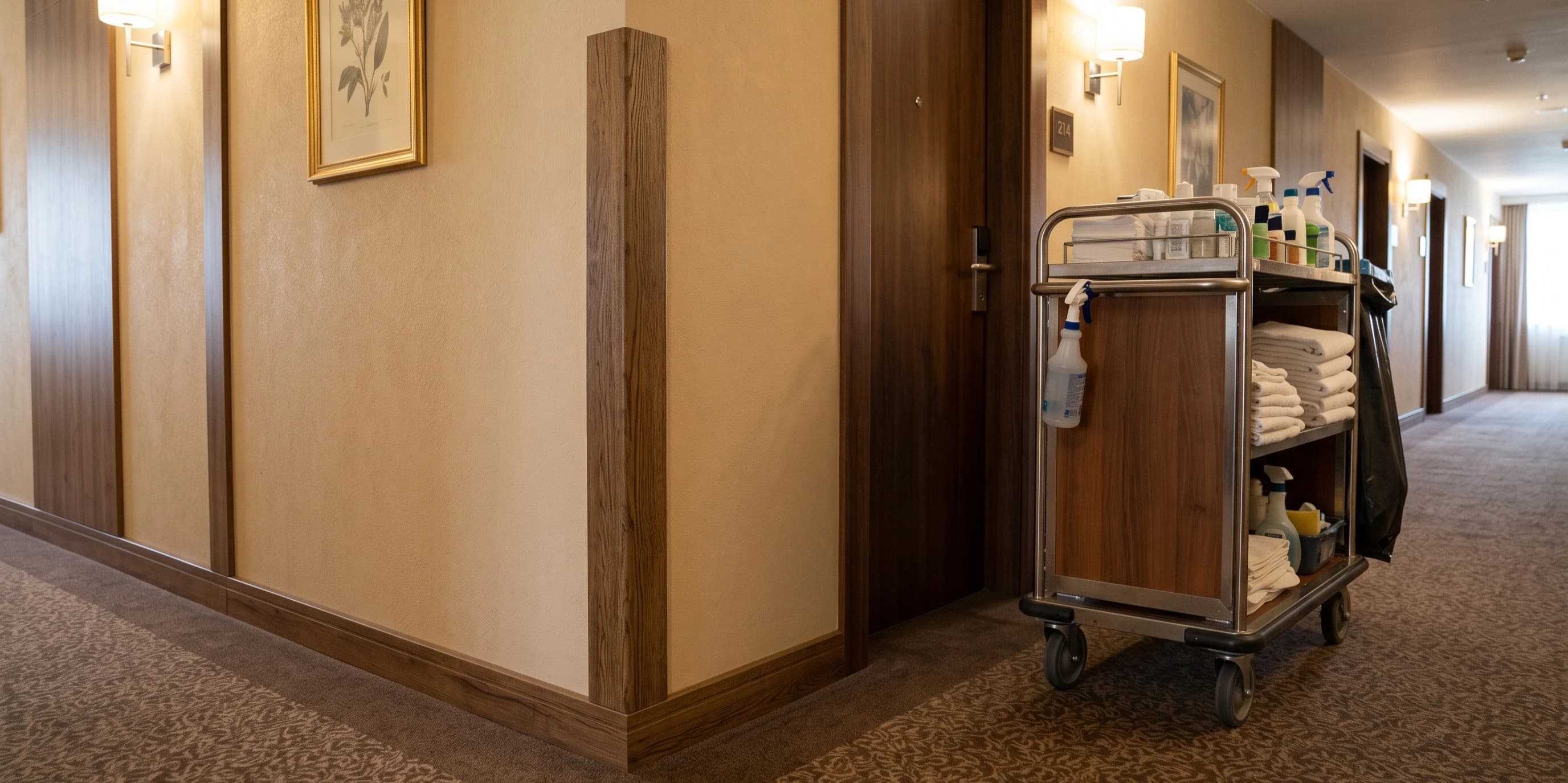
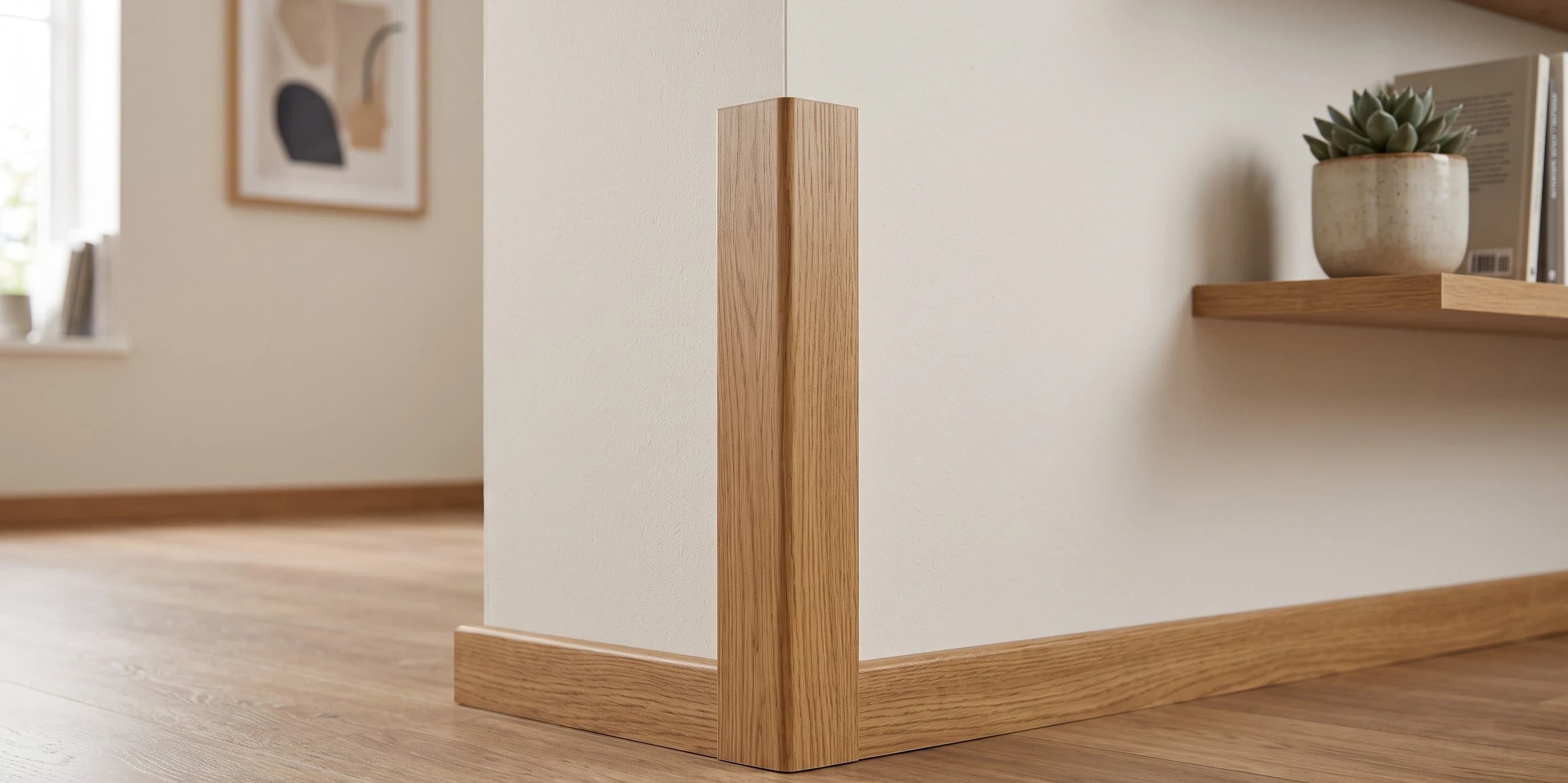
Skirting board protects the base of a wall from knocks, hides the joint between wall and floor, and in older properties can conceal uneven flooring transitions. MDF skirting is the standard choice for most rooms and takes paint well, but it isn't well suited to bathrooms, utility rooms or anywhere with sustained damp, where it can swell and delaminate. Solid timber or moisture-resistant MDF is the better call there.
As with outdoor materials, the mistake to avoid is buying on looks or price alone without checking whether the material is actually rated for the room it's going into.
Durable home & garden materials rarely come down to luck. They come down to matching materials to the conditions they'll actually face — thinking ahead about rain, wind, UV exposure, wildlife, and water before work begins, rather than reacting once something has already failed. Whether it's securing a tarpaulin with the right rope, protecting beds with correctly sized netting, or preparing the ground properly beneath a pond liner, a little planning at the start saves considerable frustration later.
For those stocking up before a project, UK-based sites like https://www.mafson.co.uk/ offer a straightforward source of home and garden products — useful for pulling together tarpaulins, rope, netting and pond liner in one place rather than piecing a project together from mismatched materials.

Unwanted noise travelling between floors is one of the most common complaints in homes, flats and of
12 September 2026
Walk into most UK homes, and you'll find at least one doorway where the flooring doesn't quite line
4 September 2026
Walk into a modern luxury home today, and you’ll notice something interesting—the bathro
13 May 2026
Be the first to share your thoughts
No comments yet. Be the first to comment!
Share your thoughts and join the discussion below.
.webp&w=3840&q=75)