Sunday, October 4, 2026

Sunday, October 4, 2026
* All product/brand names, logos, and trademarks are property of their respective owners.
When work is needed on a live pipeline, shutting down the full system may not always be practical. Hot tapping services in Rak provide a method that allows a new branch connection to be made while the existing pipeline remains in operation. This process is used in water, oil, gas, and industrial systems where stopping the flow may affect important operations. The work needs careful planning, suitable equipment, and trained workers to reduce risks and protect the pipeline system.
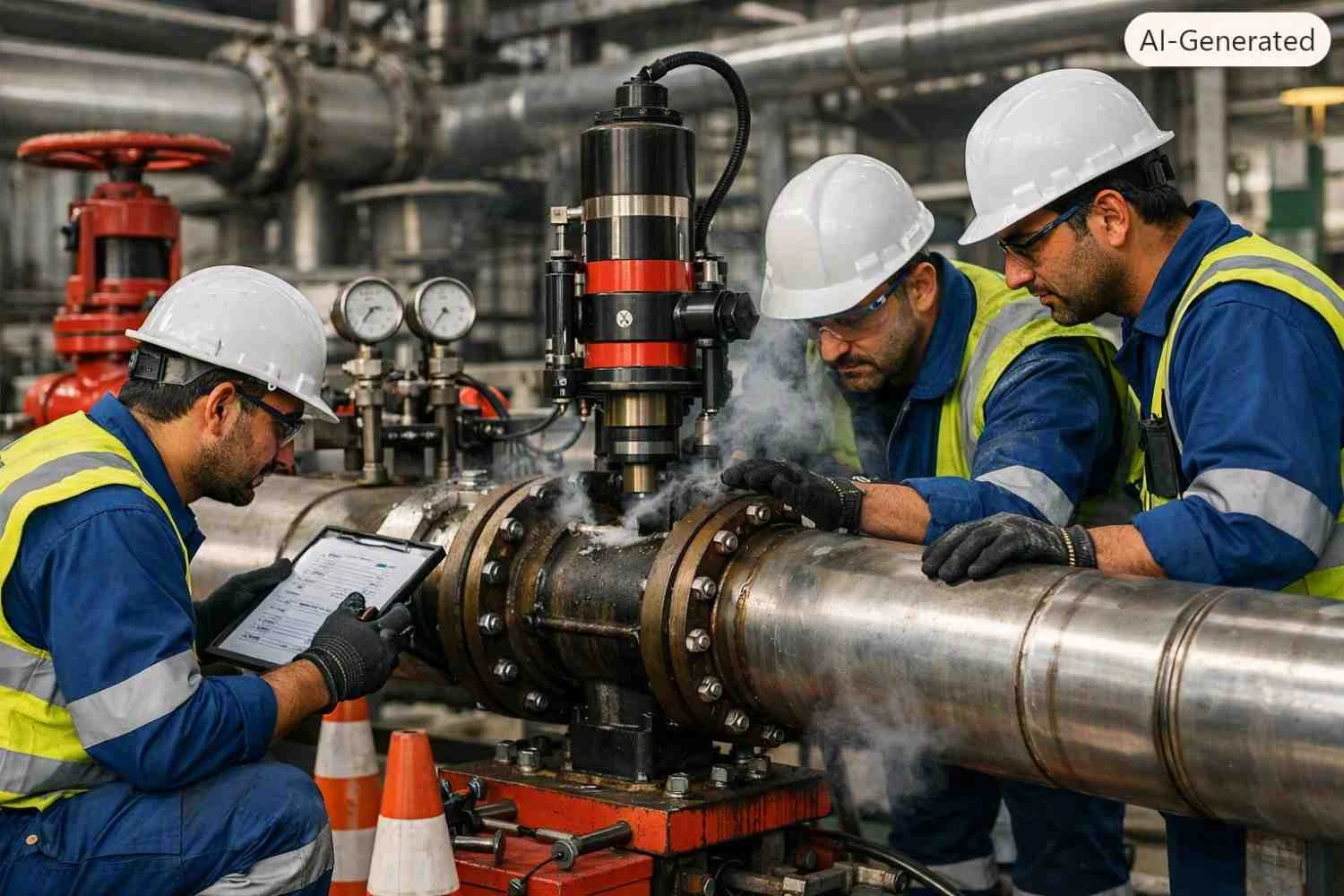
Hot tapping is a method of making a connection to an active pipeline without first draining or shutting down the entire line. A special fitting is placed on the outside of the existing pipe. A valve is then connected to the fitting, and a hot tapping machine is installed above the valve.
The cutting tool moves through the valve and cuts an opening in the live pipeline. After the cut is completed, the tool is pulled back, and the valve is closed. This creates a new access point or branch connection while the main pipeline continues to carry its product.
The method can be useful when a pipeline supplies an important process or service that cannot be stopped for a long period.
Before hot tapping begins, the condition of the existing pipeline must be reviewed. The pipe material, wall thickness, pressure, temperature, and product inside the line are important factors. The location of the proposed connection also needs to be checked carefully.
Engineers and technicians may review pipeline drawings, operating records, and inspection reports. In some cases, additional testing is needed to understand the condition of the pipe. The team also checks whether the pipe can safely support the new fitting and connection.
This planning stage helps identify possible problems before the work starts. It also helps determine the correct equipment, fitting type, valve, and cutting method for the job.
Once the pipeline has been inspected, the correct fitting is positioned on the pipe. The fitting must match the pipe size and operating conditions. It is then attached securely to the pipeline using an approved method.
A valve is installed on the fitting. The valve is important because it controls access to the live pipeline during the cutting process. Before cutting begins, the connection is checked to make sure it is properly installed and ready for operation.
The hot tapping machine is then attached to the valve. The equipment is designed to hold and control the cutting tool during the operation.
The cutting tool is moved through the open valve until it reaches the wall of the active pipeline. The tool then cuts through the pipe wall to create the required opening.
During this stage, the pipeline remains in service. The valve and hot tapping equipment help control the process and prevent the pipeline contents from escaping through the new connection.
After the cut is completed, the cutting tool and the removed section of pipe, often called the coupon, are withdrawn. The valve is then closed. This leaves a controlled connection point that can be used for the next stage of the work.
After the opening is created, the new branch connection can be connected to another pipeline, valve, equipment, or process system. The exact next step depends on the purpose of the hot tap.
The new connection is inspected and checked before it is placed into service. Pressure testing or other inspection methods may be used when required by the project and applicable safety procedures.
The work area is also reviewed to make sure there are no leaks or other visible problems. Proper records may be kept to document the work completed on the pipeline.
Working on an active pipeline requires careful preparation because the system remains under operating conditions. A mistake in planning can affect workers, equipment, and the pipeline itself.
Important factors include the pressure inside the pipe, the temperature of the product, the type of fluid or gas being carried, and the condition of the pipe wall. The surrounding area must also be considered, especially when the pipeline is located in a busy industrial facility.
A clear work plan helps the team understand each step before the operation begins. It also helps ensure that suitable equipment and emergency procedures are available if an unexpected issue occurs.
Hot tapping operations use several types of equipment. The main items normally include a branch fitting, valve, hot tapping machine, and cutting tool. Other equipment may be needed depending on the pipeline and working conditions.
Pressure gauges and monitoring equipment can help workers observe operating conditions during the work. Safety equipment is also important for protecting workers around the pipeline and machinery.
The equipment must be suitable for the pipeline size, pressure, temperature, and service conditions. Using the correct equipment helps maintain control throughout the operation.
Safety is an important part of every hot tapping operation. Workers need to understand the pipeline contents and the risks connected with the operating pressure and temperature.
The work area should be controlled, and workers should use suitable personal protective equipment. The pipeline should be inspected before work, and all equipment should be checked before use.
Emergency plans should also be prepared before the operation starts. Workers need to know what actions to take if there is a leak, equipment problem, or unexpected change in pipeline conditions.
For these reasons, Hot tapping services in Rak involve detailed planning and careful control when creating connections on active pipelines. Understanding how the process works helps explain why pipeline condition, operating data, equipment selection, and safe working procedures are important parts of the operation.

i am Indian writer Evan covers home improvement, construction, and lifestyle trends, sharing practical insights for readers.
A home elevator can make everyday movement between floors more convenient, especially in multi-store
25 September 2026
Stairs get more daily wear than almost any other part of a building, yet the edge of each step is of
18 September 2026
When a corner starts chipping, cracking, or scuffing, the instinctive response is often to reach for
14 September 2026
Be the first to share your thoughts
No comments yet. Be the first to comment!
Share your thoughts and join the discussion below.