Sunday, October 4, 2026

Sunday, October 4, 2026
* All product/brand names, logos, and trademarks are property of their respective owners.
Walk into most homes, and you'll find at least one spot where two floor surfaces meet awkwardly — a slightly raised lip between the kitchen and hallway, an exposed strip of chipboard under a door, or a shelf edge that's started to peel. These small details rarely get much thought until they become a nuisance, whether that's a stubbed toe, a draught creeping under a door, or a cabinet that just looks unfinished.
This is exactly the gap that UPVC door thresholds and edging trims are designed to fill, quite literally. They're inexpensive, straightforward components, but understanding what each one does — and where it belongs — makes it much easier to get a tidy result the first time.
Doorways are natural stress points in a home. Flooring materials often change from one room to the next, subfloors sit at slightly different heights, and the door itself needs clearance to open and close properly. Left unaddressed, this can mean visible gaps, trip hazards, or floor coverings that fray at the edge over time.
A similar issue shows up on furniture and fitted joinery. Melamine-faced boards and other panel materials usually have a raw or unfinished edge once they're cut to size. Without some form of edge trim, that exposed edge is more vulnerable to knocks, moisture, and general wear, and it simply doesn't look finished.
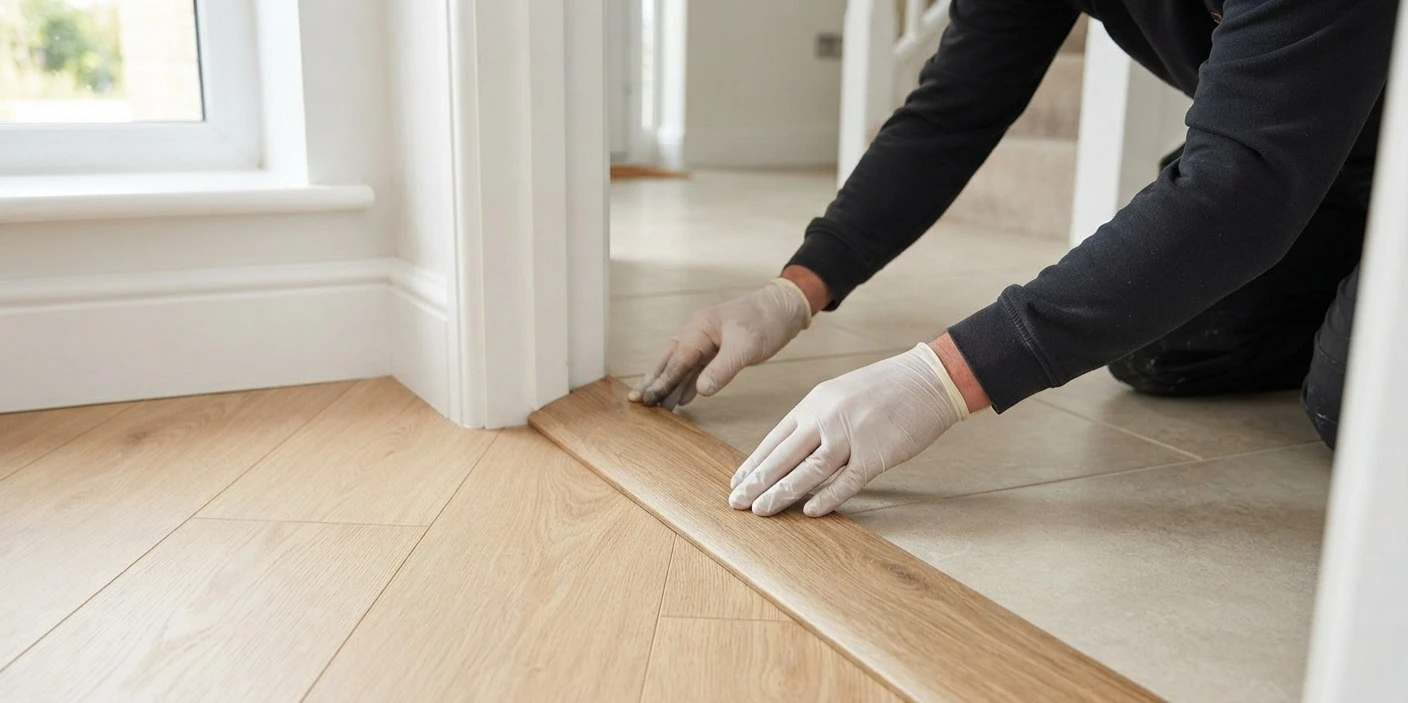
A door threshold sits at the base of a doorway, bridging the gap between two floor levels or two different flooring types. A UPVC Wood Effect Door Threshold is designed to give that transition a tidy, timber-look finish without the maintenance considerations that can come with solid wood in areas prone to moisture, such as kitchens, bathrooms, and utility rooms.
Where a threshold spans a doorway, a floor edging trim is often used along the edge of a floor covering more generally — for example, where laminate or vinyl meets carpet, tiling, or a different room. A UPVC Wood Effect Door Edging Trim performs a similar job to a threshold but is typically chosen for its flexibility in handling these edge-of-floor situations, giving a clean, capped finish rather than a raw or fraying edge.
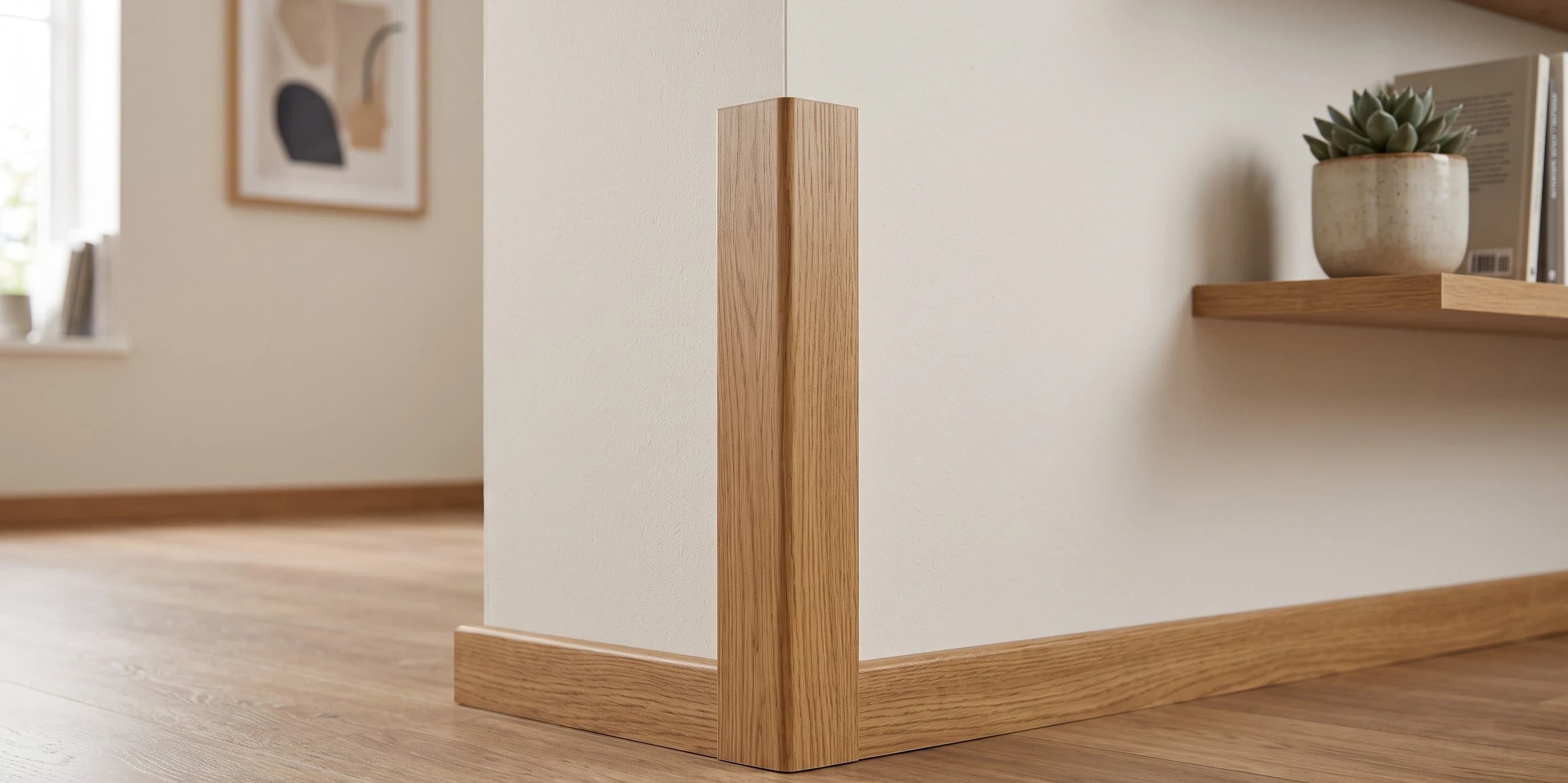
Away from the floor entirely, a U-Section PVC Melamine Furniture Panel Edge Trim is used to finish the exposed edges of melamine or similar board materials. The U-shaped profile slots over the edge of the panel, covering the raw material and giving cabinets, shelving, worktops, and other panel-based furniture a neater, more finished appearance.
Door thresholds and edging trims turn up in a wide range of everyday situations:
Wood effect UPVC trims have become a go-to choice for homeowners and tradespeople alike because they strike the ideal balance between visual warmth and modern practicality.
A few practical points are worth thinking through before buying:
General upkeep. UPVC trims are generally straightforward to keep clean with normal household cleaning, though it's worth checking any product-specific guidance provided by the supplier.
Before starting any finishing project involving thresholds or edge trims, take a moment to measure twice — door thresholds in particular can be fiddly to replace once fitted. If you're finishing furniture panels, dry-fit the U-section trim first to check it seats properly along the edge before committing to final fixing.
And where you're unsure which product suits your situation, a specialist supplier such as DoorThresholds.co.uk can be a useful reference point for comparing the different trim types side by side.
None of this is complicated, but it's easy to overlook until you're standing in a doorway wondering why the floor doesn't quite line up, or looking at a shelf edge that's already starting to chip. Taking the time to understand the difference between a door threshold, a floor edging trim, and a furniture panel edge trim means you're far more likely to pick the right product for the job — and end up with a finish that actually looks intentional.
Ultimately, these small finishing touches act as the hidden punctuation marks of interior design and DIY projects. When they are done right, nobody notices them; they simply experience a home that feels cohesive, high-quality, and well-maintained. When they are ignored, however, even the most expensive flooring or custom cabinetry can look rushed and incomplete. By investing a little care into selecting the correct UPVC trims, you protect your materials from premature wear, eliminate annoying household hazards like tripping or drafts, and create seamless transitions that elevate the entire feel of your living space.

Be the first to share your thoughts
No comments yet. Be the first to comment!
Share your thoughts and join the discussion below.