Sunday, October 4, 2026

Sunday, October 4, 2026
* All product/brand names, logos, and trademarks are property of their respective owners.
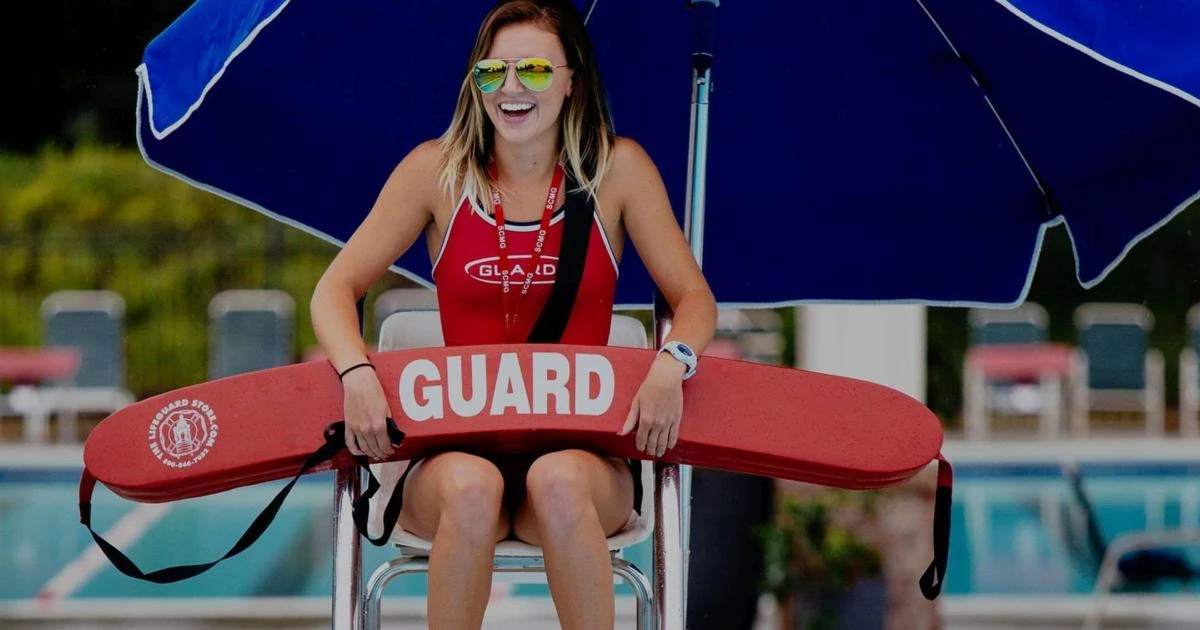
A lifeguard is often the first person responsible for responding when an emergency happens in or around the water. Whether at swimming pools, beaches, lakes, resorts, or waterparks, lifeguards must react quickly, stay calm under pressure, and protect lives through professional rescue skills. That is why lifeguard certification is so important.
A professional lifeguard certification course teaches individuals how to prevent emergencies, perform water rescues, provide CPR and first aid, and maintain safe aquatic environments. Certification proves that a lifeguard has completed professional training and demonstrated the ability to respond during real emergencies.
This article explains the complete lifeguard certification process, the skills students learn, why certification matters, and how professional training prepares lifeguards for real-world aquatic safety responsibilities.
Strong swimming ability alone does not prepare someone to handle aquatic emergencies safely.
Professional lifeguard certification teaches individuals how to:
Without proper training, even experienced swimmers may panic or use unsafe rescue techniques during emergencies.
Before beginning a certification course, students must usually complete several physical prerequisites.
Most certification programs require participants to:
These evaluations help instructors confirm students are physically prepared for rescue training.
Real rescues may involve:
Physical endurance is critical for responding effectively during emergencies.
Lifeguard certification programs combine rescue training, emergency medical instruction, prevention education, and teamwork exercises.
Water rescue skills are one of the most important parts of certification.
Students learn how to assist swimmers safely without entering the water whenever possible.
Common rescue equipment includes:
These methods reduce risk for both the rescuer and the victim.
Throwing assists involve using flotation equipment to support distressed swimmers from a safe distance.
Students practice:
Active victims are conscious swimmers struggling in the water.
Training focuses on:
Lifeguards learn how to remain calm while protecting themselves during stressful rescues.
Passive victims may be unconscious or unable to assist themselves.
Students practice:
These rescue drills simulate realistic emergencies.
Aquatic spinal injuries require careful handling.
Students learn:
Hands-on practice helps improve confidence and technique.
Lifeguards are often the first responders during medical emergencies.
Students learn CPR procedures for:
Training includes:
Repeated practice helps students respond confidently during emergencies.
AED stands for Automated External Defibrillator.
Students learn:
Fast CPR and AED response can significantly improve survival rates during cardiac emergencies.
Lifeguard certification courses also teach treatment for:
These first aid skills are valuable both professionally and personally.
The best lifeguards prevent emergencies before they happen.
Lifeguards are trained to:
Strong surveillance skills help reduce accidents and improve emergency response times.
Lifeguards learn how to recognize:
Early hazard recognition helps maintain safer aquatic environments.
Lifeguarding requires strong mental focus and emotional control.
During emergencies, lifeguards must:
Scenario-based training helps students improve confidence and critical thinking.
Most rescues involve multiple lifeguards working together.
Students practice:
Strong teamwork improves rescue efficiency and safety.
Different aquatic environments require specialized training.
Pool lifeguards commonly work at:
Training focuses on controlled aquatic environments.
Waterfront lifeguards supervise:
Additional training covers:
Surf lifeguards work in ocean environments where conditions constantly change.
Training may include:
Surf lifeguarding is physically demanding and highly specialized.
After completing the course, students receive official lifeguard certification credentials.
Certified lifeguards may work at:
Searches for certified lifeguard jobs and lifeguard hiring near me continue to increase every year.
Most certifications expire after a certain period and require renewal.
Recertification helps lifeguards:
Regular practice ensures lifeguards remain prepared for real emergencies.
Professional certification offers both personal and career advantages.
Certified lifeguards often enjoy:
Certification helps students develop:
These transferable skills are valuable in many professions.
Lifeguards help protect swimmers and improve public safety within their communities.
Few roles provide such direct opportunities to save lives.
Not every training provider offers the same quality of instruction.
When choosing a certification course, look for:
Lifeguard certification prepares individuals to prevent emergencies, perform rescues, and protect lives in aquatic environments. Through rescue practice, CPR certification, first aid training, and surveillance education, certified lifeguards gain the skills needed to respond confidently during high-pressure situations.
Whether you are searching for lifeguard certification near me, how to become a lifeguard, or the best lifeguard certification program, professional training is the first step toward a respected and rewarding role in aquatic safety.
Lifeguarding is more than a certification it is a commitment to leadership, teamwork, responsibility, and life-saving service.

Evan Richardson is a certified Aquatic Safety Instructor and experienced lifeguard trainer with over 15 years of experience in water rescue operations, CPR education, and aquatic facility management. He has trained lifeguards across pools, waterfront programs, and recreation centers while promoting professional rescue standards and community water safety awareness.
Football is one of the most strategic sports in the world, and one of the most important decisions a
16 June 2026
Rishikesh, known as the Yoga Capital of the World, attracts thousands of spiritual seekers and aspir
12 June 2026
The FIFA World Cup 2026 is one of the most anticipated sporting events in the world. Unlike previous
10 June 2026
Be the first to share your thoughts
No comments yet. Be the first to comment!
Share your thoughts and join the discussion below.