Sunday, October 4, 2026

Sunday, October 4, 2026
.webp)
* All product/brand names, logos, and trademarks are property of their respective owners.
When it comes to achieving a polished, professional look in your home, the smallest details can make the biggest impact — and that’s exactly where flat bar trims come in. Whether you’re refreshing a tired doorway, sealing off floor joins, or adding the final touch to a kitchen makeover, these simple yet stylish strips can transform the way your space looks and feels.
Flat bar trims provide a clean, durable finish — especially in high-traffic areas like hallways, bathrooms, and open-plan kitchens. From sleek white PVC options to brushed aluminium and bold anthracite tones, there’s a flat bar trim for every project and every aesthetic.
In this guide, we’ll explore everything you need to know about using flat bar trims effectively — including design tips, material comparisons, and real-world applications that suit modern UK interiors.
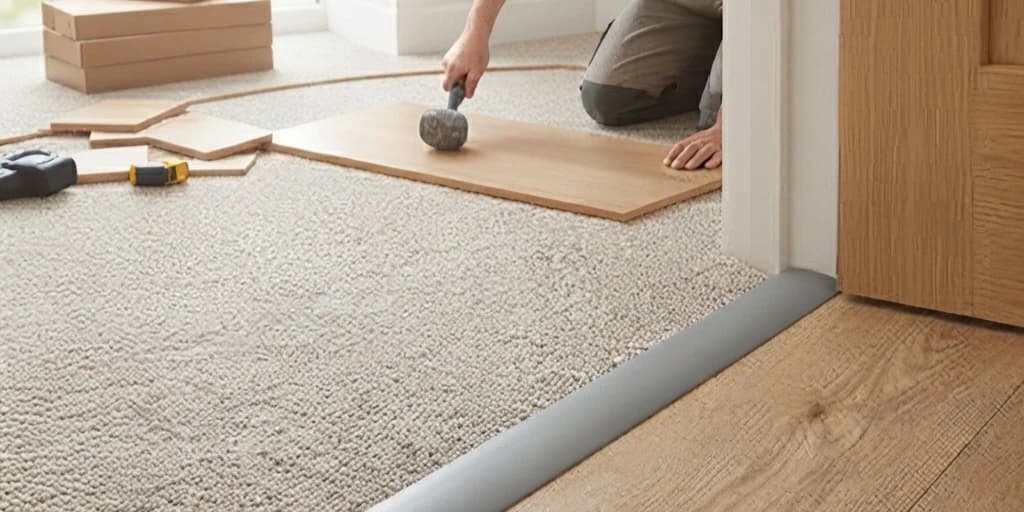
Flat bar trims are incredibly versatile. They're commonly used to bridge gaps between different flooring materials, tidy up transitions between rooms, or frame door and window edges. A durable black PVC flat bar trim, for instance, works well for skirting, frames, and thresholds where contrast or edge clarity is desired. For larger spaces or extended joins, longer trims can provide coverage without breaks or joins, resulting in a seamless appearance.
Beyond the obvious neatness, flat bar trims also act as a protective barrier. High-traffic zones — especially around door frames or where two types of flooring meet — are prone to scuffing and chipping. Using trims not only prevents damage but also enhances your interior style.
Whether you prefer bold contrasts or subtle blends, flat bar trims can tie the room together with minimal effort. Their slimline design and easy fit make them a smart finishing solution in UK homes.
| Material | Best For | Key Benefits |
|---|---|---|
| PVC | Everyday interior projects | Lightweight, flexible, budget-friendly |
| Aluminium | DIY custom projects, modern aesthetics | Easy to cut, corrosion-resistant, sleek |
| Stainless Steel | Kitchens, commercial or wet zones | Strong, corrosion-resistant, long-lasting |
PVC trims are commonly used in UK homes due to their affordability and flexibility. Aluminium is favoured for its neat, clean-cut appearance, ideal for modern DIY installations. Stainless steel, on the other hand, offers unmatched durability, making it ideal for commercial use or damp environments.
Aside from the material, other features like trim length, surface texture, and installation method play a crucial role. Some trims come with a high-strength self-adhesive backing for fast, no-drill installation. Others are cut with precision edges, offering clean lines and a polished look.
Longer trims reduce the need for visible joins and are perfect for extended thresholds or large window surrounds. Flexible designs adapt to slightly uneven surfaces, ensuring a snug and lasting fit.
Choosing the right colour is about more than matching — it’s about enhancing. Neutral white PVC trims work well in minimalist spaces or alongside light wall finishes. Black trims provide a striking edge in modern interiors, especially when contrasted with white or grey walls. Anthracite finishes blend beautifully with contemporary palettes and industrial themes. For large areas or where you want to hide gaps, wider trims are more effective. A 100mm wide trim can cover imperfections while providing a sleek visual line.
| Width | Ideal Use Case |
|---|---|
| 20–30mm | Window edges, small joins |
| 30–50mm | Door frames, furniture backs, skirting |
| 60–100mm | Floor transitions, wide coverage areas |
Flat bar trims are available in multiple widths and finishes to suit different interior requirements, making it easier to select the right size for your project.
Self-adhesive trims are ideal for quick, low-mess installations — perfect for smooth surfaces and indoor spaces. These trims typically come with strong adhesives and flexible backing that conforms to the wall or frame. Screwed installations are more suited for uneven surfaces, high-moisture areas, or where added grip is needed. Always use appropriate fixings to prevent splitting and ensure longevity.
Measure accurately and double-check before cutting.
Use a mitre box for clean angles around corners.
Clean the surface beforehand to maximise adhesion.
Apply pressure evenly when fitting.
Seal the ends with caulk or silicone in damp areas.
Flexible PVC options are particularly forgiving during fitting, making them a favourite for both professionals and DIY users.
In a London renovation project, black trims were used to frame open-plan doorways, creating contrast against white walls and elevating the space’s minimalism. In another case, white PVC trims were used to cover uneven gaps around window casings in a Manchester home — a simple solution that refreshed the entire look.
Anthracite trims have also become increasingly popular in newly built UK homes, where subtle design details matter. Their neutral yet stylish tone makes them a go-to choice for homeowners and interior designers alike.
Many UK installers consider flat bar trims an essential part of their finishing kit. They’re easy to transport, simple to fit, and produce consistently professional results. Whether you’re a tradesperson working on a commercial job or a homeowner freshening up a room, the versatility of these trims makes them a smart investment.
Flat bar trims provide a practical way to create clean edges, defined lines, and durable protection in interior spaces. They are adaptable and functional, suitable for a variety of flooring types and home styles across the UK.
Understanding material options, sizing considerations, and appropriate applications helps homeowners and professionals make informed choices that support both functionality and visual consistency. For reference material on flat bar trims and their applications, see doorthresholds.uk.

Door Thresholds UK is a specialist supplier of high-quality door thresholds and flooring transition solutions for residential and commercial properties. The company focuses on providing durable, precise, and easy-to-install products designed to improve finishing, safety, and aesthetics.
Anyone who has taken on an outdoor project in Britain knows the weather rarely cooperates for long.
17 September 2026
Unwanted noise travelling between floors is one of the most common complaints in homes, flats and of
12 September 2026
Walk into most UK homes, and you'll find at least one doorway where the flooring doesn't quite line
4 September 2026
Be the first to share your thoughts
No comments yet. Be the first to comment!
Share your thoughts and join the discussion below.