Monday, July 27, 2026

Monday, July 27, 2026
* All product/brand names, logos, and trademarks are property of their respective owners.
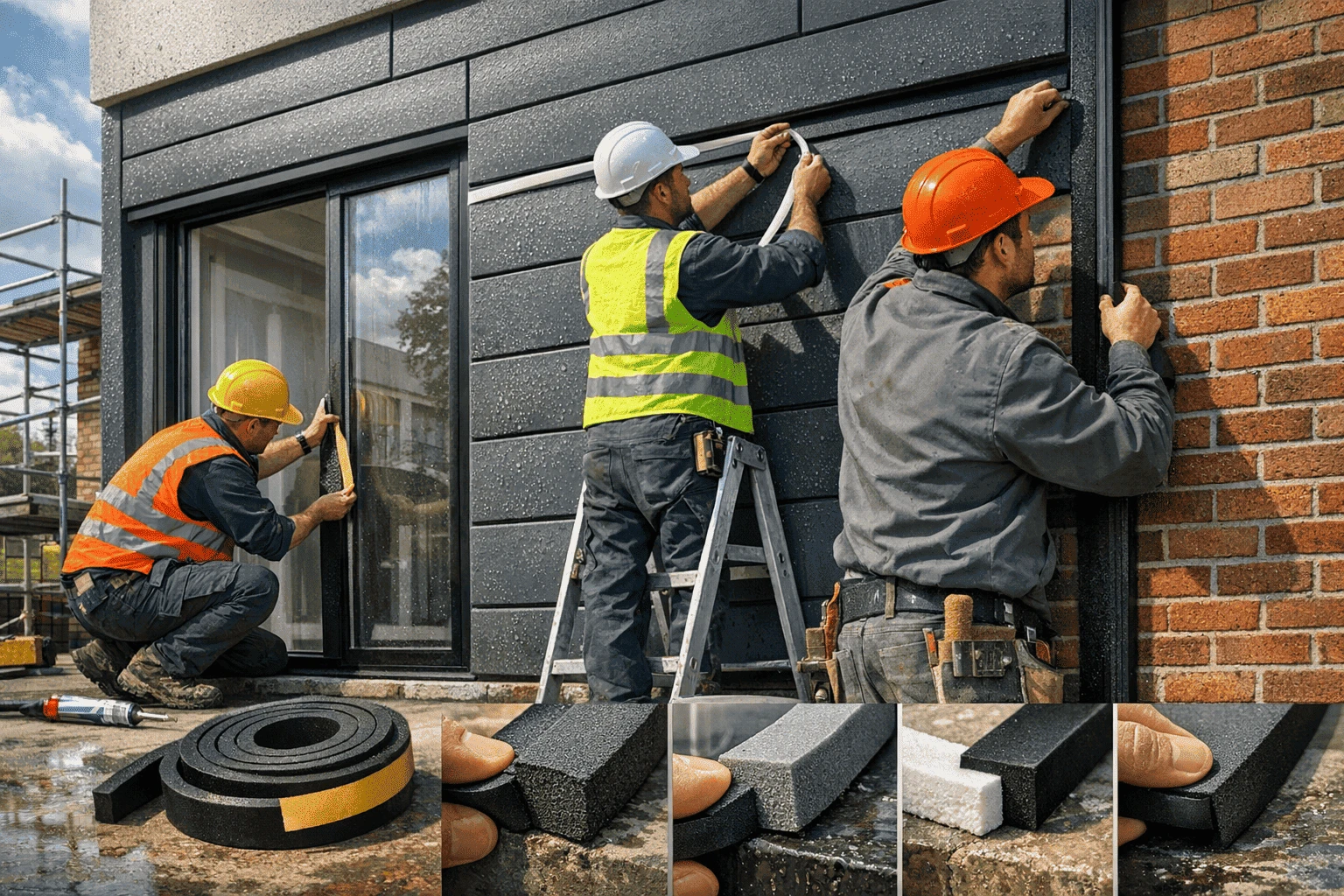
In UK construction, sealing isn’t just a finishing touch — it’s what keeps buildings performing properly over time. Constant rain, strong winds, and temperature swings put pressure on every joint and opening. Even small gaps around doors or cladding can let in moisture and air, causing damage. Rubber strips provide flexible, durable sealing that supports long-term protection and efficiency.
The UK climate presents ongoing challenges for building envelopes. Frequent rain, high humidity and sudden temperature changes can quickly expose weaknesses in poorly sealed joints. External penetrations, service routes and façade junctions are particularly vulnerable to air leakage and water ingress.
Rubber strips are widely used to create flexible, compressible seals that adapt to expansion and contraction. EPDM rubber is valued for its resistance to moisture, ozone and ageing, making it suitable for long-term outdoor exposure. Silicone materials maintain elasticity in low temperatures, reducing the risk of cracking or shrinkage during colder periods. By forming consistent barriers at critical junctions, rubber strips help reduce uncontrolled airflow and moisture penetration — two primary contributors to structural degradation.
Moisture intrusion is one of the most costly construction issues. Once water enters a structure, it can reduce insulation performance, corrode fixings and weaken substrates. Over time, this may result in damp patches, mould growth and interior finish damage.
Expanded sponge-style rubber strips are particularly effective in sealing uneven gaps. Their compressible structure allows them to conform to irregular surfaces, maintaining contact even where alignment is imperfect. Neoprene-based sponge strips are commonly used around door and window frames to limit draughts and improve thermal consistency. In areas requiring sustained compression resistance, firmer rubber grades with higher Shore hardness ratings help maintain structural integrity under pressure. Selecting an appropriate material ensures that seals remain effective throughout temperature fluctuations and structural movement.
UK building regulations emphasise fire performance, energy efficiency and acoustic control. Sealing components contribute directly to these objectives.
Flame-retardant silicone strips may be specified in commercial settings where enhanced fire resistance is required. Certain expanded PVC nitrile sponge materials are manufactured to meet Class 0 standards, supporting compliance in regulated environments. Effective sealing also limits heat loss and uncontrolled air movement, assisting projects in meeting energy performance targets. Properly sealed joints can improve occupant comfort while contributing to overall building safety and efficiency.
Different rubber compounds offer distinct performance characteristics. Selection should be based on environmental exposure, mechanical stress and compliance requirements.
Neoprene provides a strong balance of resilience and flexibility, making it suitable for internal and external sealing. Expanded neoprene sponge strips conform to irregular joints and maintain effective compression over time. Materials like Rubber Strips are often specified in construction to ensure consistent, adaptable sealing across a variety of surfaces.
Silicone rubber offers exceptional temperature tolerance. Unlike some materials that stiffen in cold weather or degrade under prolonged UV exposure, silicone maintains elasticity across a broad temperature range.
This makes it particularly suitable for glazing systems, roofing assemblies and plant areas exposed to heat or direct sunlight. Expanded silicone strips provide compressible sealing on uneven surfaces, while solid silicone options deliver additional strength where structural support is required. In commercial buildings, flame-retardant silicone materials may assist in meeting enhanced fire safety requirements. Their long-term durability can reduce maintenance frequency in exposed applications.
EPDM rubber is widely recognised for its resistance to water, UV radiation and long-term weathering. It is often used in external sealing tasks such as cladding joints, roofing edges and expansion areas where consistent environmental exposure is expected.
In environments exposed to oils or fuels — including plant rooms and workshops — nitrile rubber offers improved resistance to hydrocarbons. Its chemical durability makes it appropriate for more demanding operational settings. For applications involving sustained load or pressure, firmer rubber grades maintain shape and compression over extended periods, helping ensure continued sealing effectiveness.
Doors and windows are common points of heat loss and air infiltration. Effective perimeter sealing reduces draughts, supports insulation performance and improves indoor comfort.
Compressible sponge strips are frequently installed along frames and thresholds to create consistent contact surfaces. In exposed external doors, neoprene-based weather strips provide resilience against moisture and structural movement. Addressing these gaps during installation helps prevent future maintenance issues and improves overall energy performance.
Roofing and cladding systems experience ongoing expansion and contraction due to temperature changes. Without flexible sealing materials, joints may gradually open, increasing vulnerability to moisture.
EPDM strips are commonly selected in these areas due to their stability under prolonged outdoor exposure. Silicone alternatives may be specified where additional heat resistance is required, such as near rooftop equipment or ventilation systems. Using adaptable materials at movement joints helps maintain the integrity of the building envelope over time.
Rubber strips also play a role in high-demand environments. In plant rooms or service corridors, firmer grades withstand mechanical stress and sustained compression.
Nitrile materials may be selected where oil exposure is possible, while flame-retardant silicone options can support fire safety objectives in commercial settings. Rubber strips are also used to dampen vibration between components, reducing noise transmission and mechanical wear. Across these varied applications, consistent sealing performance supports both operational efficiency and structural protection.
Self-adhesive rubber strips are commonly chosen for controlled and efficient installation. When applied to clean, dry substrates, they provide effective sealing with minimal disruption.
In high-movement or heavy-duty applications, mechanically fixed or bonded systems may offer improved long-term stability. Surface preparation is essential; dust, moisture or uneven substrates can reduce adhesion and compromise durability. Selecting the correct thickness and hardness ensures adequate compression without overstressing the material.
Where additional bond strength is required, non-drip, high-strength multi-purpose adhesives can enhance reliability. This is particularly important in vertical or overhead installations where slip resistance during curing is critical.
Allowing appropriate curing time and ensuring even application improves bond integrity. Careful installation practices extend the service life of sealing components and reduce the likelihood of premature failure.

Experienced in content marketing, SEO, and guest posting. I focus on creating and publishing articles that drive traffic, build authority, and generate real results for UK brands.
Industrial and construction sites are often busy, high-traffic environments where clarity and organi
5 February 2026
In the UK construction and building sector, keeping outdoor areas safe, durable, and protected is an
2 February 2026
From muddy boots and scattered tools to slippery walkways and soaked site entrances — UK const
30 January 2026
Be the first to share your thoughts
No comments yet. Be the first to comment!
Share your thoughts and join the discussion below.





11.webp&w=3840&q=75)