Sunday, October 4, 2026

Sunday, October 4, 2026
* All product/brand names, logos, and trademarks are property of their respective owners.
In contemporary architecture and interior design, material choices define not only how spaces function but also how they feel and evolve. Beyond structural performance, designers now consider transparency, adaptability, safety, and visual lightness when specifying materials for signage systems, display environments, and interior features. Clear acrylic sheets have emerged as a popular design material across a wide range of UK-based projects due to their versatility and aesthetic potential.
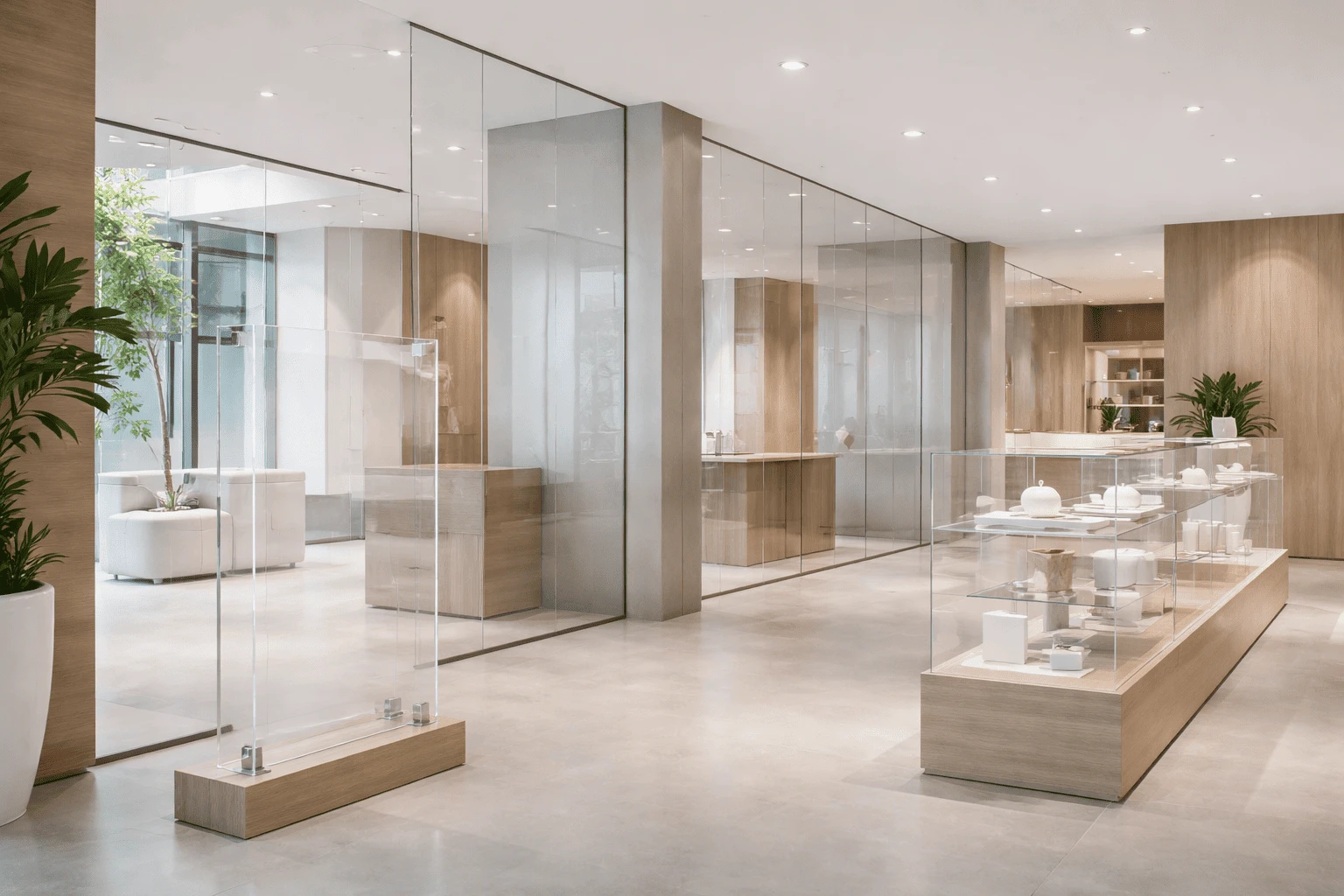
Acrylic is no longer viewed simply as an alternative to glass. It offers high optical clarity, reduced weight, and greater flexibility in fabrication. These qualities make it particularly relevant for architectural applications where precision, clean detailing, and modern aesthetics are key. From wayfinding systems in commercial buildings to minimalist retail displays and light-enhancing interior partitions, acrylic sheets support both functional and creative objectives. Their availability in multiple thicknesses allows architects and designers to align material performance with specific application requirements, whether for lightweight decorative elements or substantial interior features.
This guide explores current trends in the use of acrylic sheets across signage, displays, and interior architecture, offering practical insights to help design professionals make informed, future-conscious decisions.
Acrylic sheets have become a staple material in modern architectural design, particularly in commercial, retail, and interior environments. Their appeal lies in their combination of clarity, strength, and adaptability, enabling designers to achieve refined results without excessive structural complexity.
Unlike heavier materials, acrylic supports design approaches that prioritise openness and light. It facilitates the creation of partitions, screens, and feature elements that define space while maintaining visual continuity—an increasingly important consideration in contemporary layouts.
While glass remains widely used, acrylic provides several practical advantages that influence specification decisions. It is lighter and more impact-resistant, reducing risks in public-facing environments such as offices, retail spaces, and hospitality settings. This makes it ideal for interior applications where safety and durability are essential.
Acrylic also allows greater flexibility in fabrication. Sheets can be cut, polished, and shaped with precision, supporting bespoke detailing and custom installations without compromising integrity.
| Feature | Acrylic | Glass |
|---|---|---|
| Weight | ~50% lighter | Heavier |
| Impact Resistance | High | Moderate, brittle |
| Flexibility in Fabrication | Easy to cut, shape, and polish | Limited, specialized tools required |
| Transparency & Clarity | Excellent | Excellent, may need coatings for safety |
| Safety in Public Spaces | Safer; shatters less easily | Can shatter, risk in high traffic areas |
| Cost Consideration | Moderate | Often higher for large, custom pieces |
Clear acrylic sheets come in a wide range of thicknesses, allowing designers to tailor materials to specific applications. Thinner sheets are typically used for decorative panels and signage, while thicker options are specified for partitions, balustrades, and architectural features requiring additional rigidity. This versatility enables architects to explore transparency as a key design element rather than merely a functional requirement.
Signage is a critical component of architectural design, particularly in commercial and institutional environments where wayfinding and clarity are essential. Acrylic sheets are frequently chosen for signage because they deliver a clean, professional finish while integrating seamlessly with modern interior aesthetics.
Clear acrylic is commonly used for:
Wayfinding and directional signage
Corporate branding and logo panels
Reception signage and information displays
Office and retail interior signage
Its smooth surface and optical clarity make it suitable for printed graphics, applied lettering, and illuminated signage solutions.
Thickness selection plays an important role in signage design:
4mm acrylic: Lightweight, wall-mounted signage and branding panels
6mm acrylic: Greater rigidity for retail and office signage
8mm acrylic: Freestanding or feature signage with more presence and strength
Different applications benefit from choosing the right type of Acrylic Sheets, which provide designers with a versatile material that supports a range of signage solutions while maintaining visual lightness.
In retail and exhibition settings, display materials must support visibility, adaptability, and visual refinement. Acrylic sheets are widely used due to their ability to create minimalist, unobtrusive display structures that keep the focus on products or exhibits.
Current trends favour transparency and lightness. Clear acrylic enables floating effects, clean lines, and layered compositions, making it effective in high-end retail spaces and curated exhibitions. It also integrates well with lighting, enhancing depth and presentation without visual clutter.
6mm acrylic sheets: Shelving, plinths, and countertop displays
8mm acrylic sheets: Freestanding displays and exhibition panels that experience higher interaction
Precise cutting ensures consistency across multiple display elements, supporting both efficiency and visual cohesion.
Interior architecture increasingly relies on materials that balance openness with spatial definition. Acrylic sheets allow designers to create separation without sacrificing light or visual continuity.
Common interior applications include:
Room dividers and partitions
Feature wall panels
Protective screens and balustrades
Decorative architectural elements
Acrylic integrates well with materials such as metal, timber, and concrete, supporting both subtle and statement designs.
For applications requiring increased rigidity:
10mm acrylic: Interior partitions and feature panels
12mm acrylic: Large-format panels and high-traffic interior features
Thicker sheets provide structural confidence while maintaining transparency and a contemporary aesthetic.
Design trends across the UK increasingly emphasize adaptability, longevity, and visual simplicity. Acrylic sheets align with these priorities, supporting flexible layouts and future-proof design strategies.
Transparent materials are central to modern interior design, especially in commercial environments where openness and light enhance user experience. Acrylic allows designers to achieve this without the fragility associated with glass.
Durability is an important aspect of sustainability. Acrylic’s resistance to breakage and long service life contribute to reduced replacement and maintenance, particularly in high-use spaces.
Effective specification begins with understanding how material thickness, application, and performance requirements intersect.
4mm–6mm: Signage and decorative elements
8mm: Displays and freestanding features
10mm–12mm: Partitions and architectural interior elements
This approach balances aesthetics with structural reliability.
Acrylic sheets have become a versatile and design-conscious material within modern architecture and interior design. Their combination of clarity, adaptability, and durability makes them suitable for applications ranging from signage and retail displays to interior architectural features.
Thoughtful specification of thickness and application ensures optimal performance while supporting contemporary design trends centred on openness, flexibility, and long-term usability. For further guidance on acrylic sheet applications and specifications, architects and designers can explore primeplasts.uk as a comprehensive reference point.

A professional blogger specializing in technology, business strategy, and digital growth. Creates well-researched, SEO-focused content designed to educate readers and support informed decision-making.
Anyone who has finished a flooring project knows the job isn't quite done once the last plank or til
9 September 2026
Exposed wall corners take more punishment than almost any other surface in a building. From furnitur
4 September 2026
In professional outdoor and event environments, flooring plays a far more critical role than simply
3 February 2026
Be the first to share your thoughts
No comments yet. Be the first to comment!
Share your thoughts and join the discussion below.
.webp&w=3840&q=75)