Sunday, October 4, 2026

Sunday, October 4, 2026
* All product/brand names, logos, and trademarks are property of their respective owners.
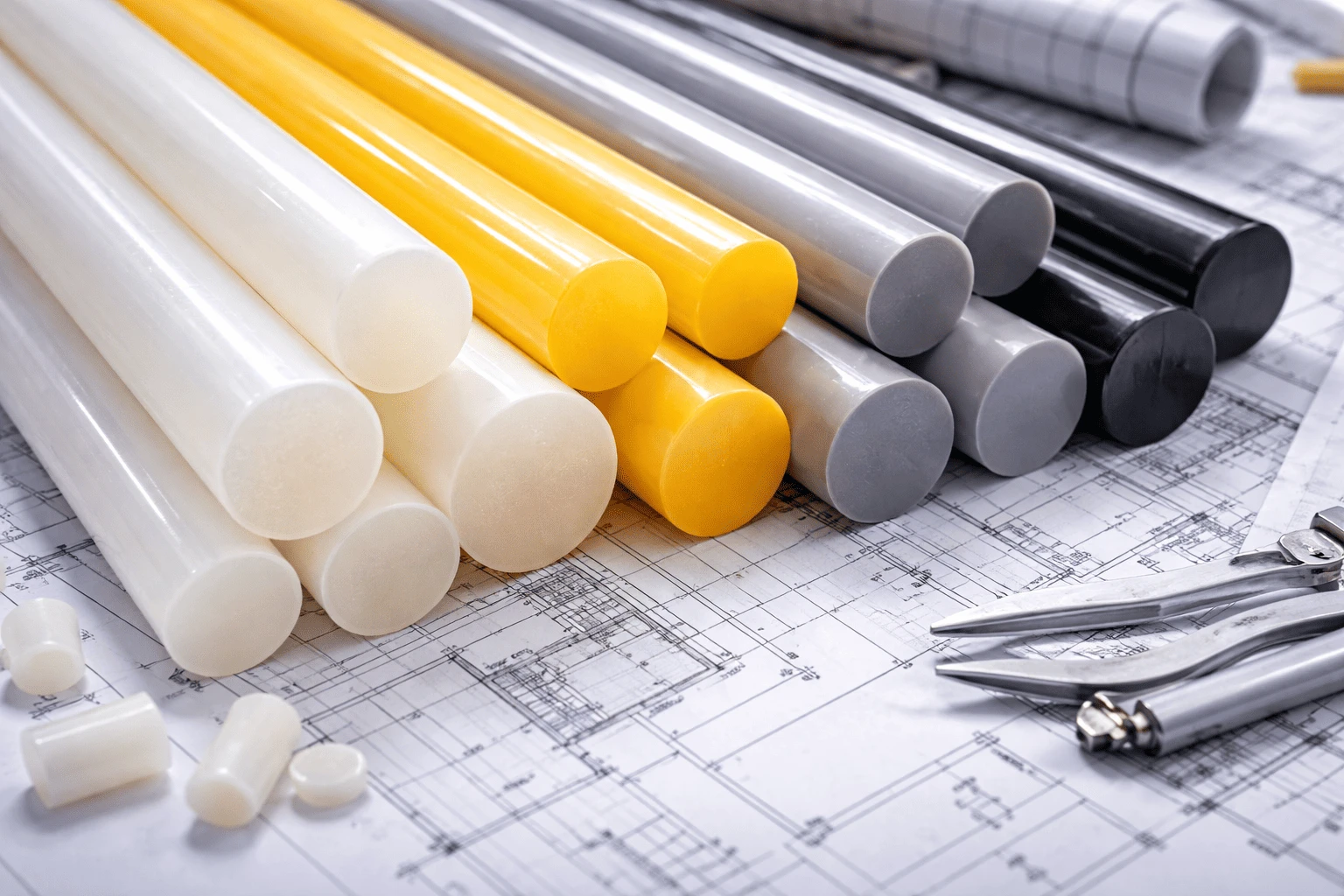
In the ever-evolving world of architecture, materials play a critical role in pushing the boundaries of creativity, sustainability, and structural efficiency. Among the many modern materials gaining attention, plastic rods have emerged as a surprisingly versatile solution. Lightweight, durable, and adaptable, they are finding their way into architectural projects both grand and small, professional and DIY alike.
Once considered suitable only for functional or industrial purposes, plastic rods are now being recognized for their unique properties and potential in design-driven architecture. Architects are leveraging their form, flexibility, and strength to experiment with new shapes, build modular systems, and rethink conventional construction techniques.
From translucent room dividers to supporting frames in temporary pavilions, plastic rods are fast becoming indispensable in both conceptual and practical applications. Their affordability and ease of customization further make them a material of choice for experimental projects that combine innovation and accessibility.
Plastics have long been used behind the scenes in construction, primarily in insulation, piping, and waterproofing. However, the tide has turned. As modern design increasingly demands lightweight, sustainable, and aesthetic materials, plastic has stepped out of the shadows.
Architects are now integrating plastic elements into facades, canopies, and even structural frameworks. One form leading this transformation is the plastic rod. These cylindrical components offer both utility and artistic appeal, providing clean lines, modular potential, and interesting textural effects when used in repetition or layering.
In large-scale installations and even in everyday architectural components, plastic rods are now making their mark. Creative professionals are finding new ways to mold and assemble them, showing that plastic’s role in design is far more than utilitarian.
Plastic rods offer a compelling combination of features: they’re easy to fabricate, resistant to corrosion, and available in a wide range of sizes and colors. Their flexibility allows for bending into organic forms, while their strength supports both decorative and semi-structural applications.
As platforms like Mindustrial Safety showcase, modern materials like plastic rods are becoming common in sustainable and modular builds, catering to both large-scale architectural designs and smaller custom projects.
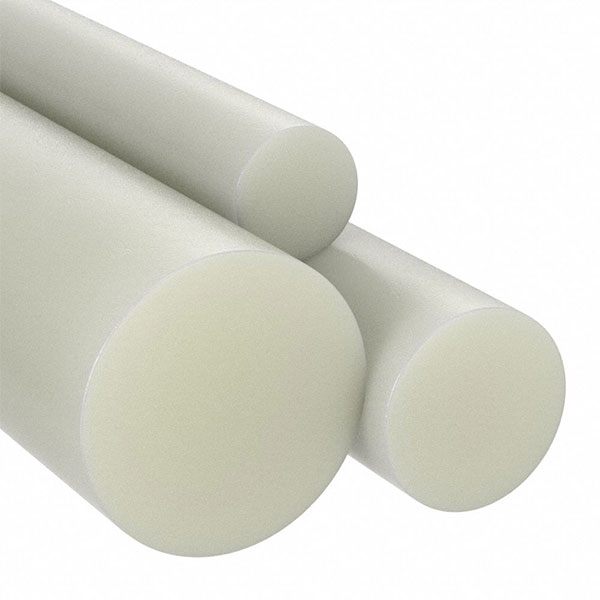
Plastic rods are increasingly used as tension elements, spacers, or even lightweight framework components in certain architectural systems. Their use in temporary structures, exhibition booths, or modular pavilions provides both strength and portability. Compared to steel or wood, plastic rods are easier to handle and install, especially in projects emphasizing speed and design flexibility.
For structural roles, materials such as PVC Rods, Tufnol Rods, and Acetal Rods are widely favored. These offer high mechanical strength and dimensional stability, making them excellent choices for frameworks and load-bearing elements. Their thermal resistance and machinability also allow them to be precision-fitted into unique architectural elements.
Plastic rods also contribute to sustainability by enabling the creation of demountable and reconfigurable structures. In a world increasingly embracing the reuse and recycling of construction materials, this flexibility provides added value to eco-conscious projects.
From suspended ceiling designs to artistic partitions, plastic rods enable creative interior expressions. Their translucent or colored variants can interact beautifully with lighting, offering dynamic visual effects. These rods can also be integrated into furniture designs, shelving systems, and light fixtures, adding a futuristic or minimalist touch.
In the realm of Plastic Rods, designers are exploring unique configurations, combining different diameters and materials like Polypropylene Rod, Polyurethane Rod, to achieve a variety of effects and structural outcomes. These combinations allow for customization based on lighting needs, privacy requirements, or simply artistic vision.
In luxury residential interiors and modern office spaces alike, plastic rods have found uses in acoustical screens, sculptural lighting, and even custom furniture legs and supports, where their form meets both function and style.
One of the biggest advantages of plastic rods is their accessibility for DIY enthusiasts and experimental architects. They are affordable and widely available, making them ideal for mock-ups, prototypes, and even permanent features in small-scale designs. Modular greenhouses, art installations, and pergolas are just a few examples where plastic rods have shined.
Their lightweight nature also makes transportation and handling easier, reducing costs and manual labor. For students and design hobbyists, plastic rods offer a perfect entry point into structural experimentation. Small models using plastic rods can be scaled up into real-world applications, giving early-stage designers confidence and flexibility in material testing.
In academic settings, architecture students have increasingly relied on plastic rods for building conceptual frameworks and kinetic structures. These applications not only demonstrate the rods' versatility but also their capability to bridge the gap between digital designs and physical forms.
Modern plastic rods often come from recyclable or partially recycled materials, contributing to greener building practices. Their durability also means longer lifespan and reduced need for replacement, adding to their sustainability profile. As architecture continues to embrace circular design principles, materials like plastic rods play an important role.
In addition, many types of rods—such as Polypropylene and PVC—can be sourced in environmentally friendly grades that comply with green building standards. The ability to reprocess or repurpose unused rods further supports zero-waste objectives in construction.
Plastic rods have quietly become game-changers in the architectural space. No longer limited to industrial backends, these simple components are finding bold new roles in both functional and artistic design. From structural frameworks to luminous interiors, their adaptability is helping shape the future of architecture.
Whether you’re an architect exploring new materials or a DIY enthusiast building your next project, plastic rods offer an affordable, creative, and eco-friendly solution that’s here to stay. Their diversity—from Acetal Rods to Tufnol Rods—ensures there's a perfect option for almost every kind of architectural challenge.

M Industrial Safety is a UK-based supplier of premium industrial safety products and PPE. We serve sectors like construction, manufacturing, and warehousing with high-quality tools, equipment, and protective gear. Our mission is to deliver reliable, affordable solutions that keep workplaces safe and compliant. From road safety to essential site gear, our wide range supports smooth, secure operations. Backed by expert support and practical guidance, M Industrial Safety is your trusted partner in workplace protection.
Anyone who has finished a flooring project knows the job isn't quite done once the last plank or til
9 September 2026
Exposed wall corners take more punishment than almost any other surface in a building. From furnitur
4 September 2026
In contemporary architecture and interior design, material choices define not only how spaces functi
9 February 2026
Be the first to share your thoughts
No comments yet. Be the first to comment!
Share your thoughts and join the discussion below.
.webp&w=3840&q=75)