Sunday, October 4, 2026

Sunday, October 4, 2026
* All product/brand names, logos, and trademarks are property of their respective owners.
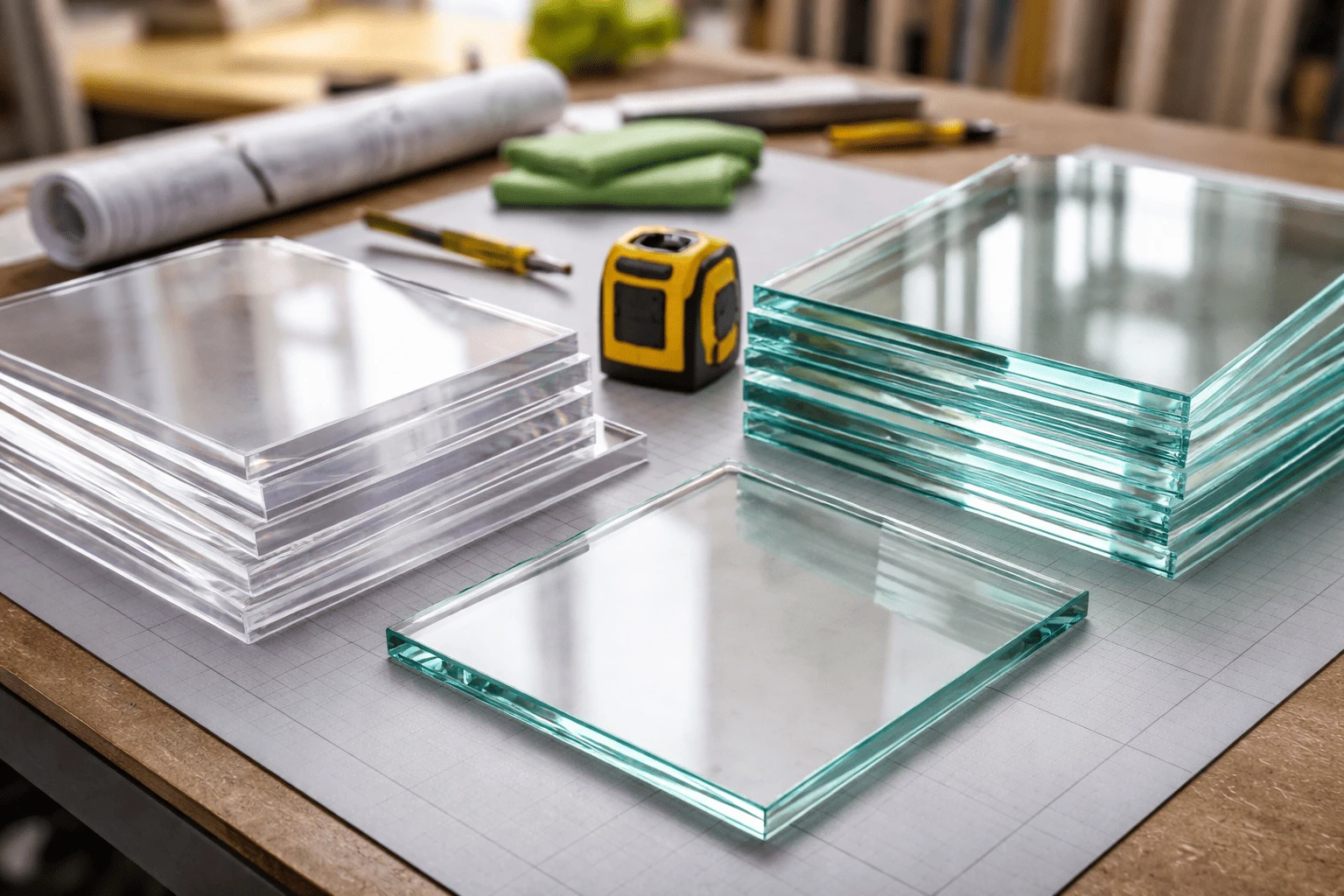
When it comes to choosing the right material for your next home improvement, signage, or creative display project, two popular contenders often come up: acrylic sheets and glass. At first glance, they may seem similar — both are transparent, sturdy, and offer a sleek look — but when you dig deeper, the differences are clear, and they can impact your project's cost, safety, and outcome in major ways.
Whether you're a DIY enthusiast working on a custom shelf or a business outfitting your store with product displays, the choice between acrylic and glass isn’t just about aesthetics. It’s about functionality, durability, and practicality. Acrylic sheets, also known as plexiglass, have gained popularity over the years for being lightweight and more impact-resistant than traditional glass. On the other hand, glass remains a favorite for its timeless look and superior scratch resistance.
This guide will help you explore the key differences between these two materials — from durability and maintenance to cost, appearance, and installation — so you can make the right call for your project. We’ll also share practical insights on when and where to use each one, based on real-world applications.
One of the biggest differences between acrylic and glass comes down to how they handle force. Glass is known for its elegance, but it’s also famously fragile — a small knock or drop can cause it to shatter, making it a potential safety hazard in busy homes or workplaces.
Acrylic sheets, on the other hand, are far more resilient. In fact, they’re up to 10 times more impact-resistant than standard glass. This makes them a smart choice for environments where safety is a priority — think schools, children’s play areas, or public signage. Even if acrylic does crack, it doesn’t break into dangerous shards like glass does.
This is why many industries now prefer acrylic for safety panels, protective barriers, and outdoor fixtures. You get the transparency of glass without the constant worry of breakage.
Of course, no material is perfect. While acrylic wins big on impact resistance, glass still holds the crown when it comes to scratch resistance and heat durability.
Glass can withstand higher temperatures and won’t scratch as easily with everyday contact. This makes it a solid option for surfaces that are regularly wiped, touched, or exposed to heat — like tabletops, kitchen backsplashes, or display counters.
Acrylic, although tough, is softer and more prone to scratching. You’ll need to be more cautious with cleaning products or abrasive materials. That said, there are scratch-resistant acrylic options available, but they can come at a slightly higher cost.
| Feature | Acrylic Sheets | Glass |
|---|---|---|
| Impact Resistance | Very high – shatter-resistant | Low – breaks easily |
| Safety | Safer – does not form sharp shards | Can be hazardous when broken |
| Scratch Resistance | Moderate – prone to scratching | High – resists scratches well |
| Heat Resistance | Lower – can warp/melt at high heat | High – tolerates heat well |
When it comes to handling and installation, the difference in weight between acrylic and glass is hard to ignore. Acrylic sheets are significantly lighter than glass — sometimes up to 50% lighter — which makes them much easier to carry, position, and install without specialized equipment.
This lightweight nature is a game-changer for DIYers and solo installers. You don’t need to worry about heavy lifting or the risk of dropping and breaking your material. That’s why many homeowners and small business owners prefer acrylic for projects like window replacements, signage, and shelving.
Another big factor is how these materials perform in different environments.
Acrylic sheets are naturally UV-resistant and hold up well against weather conditions like rain, wind, and sunlight. This makes them an excellent choice for outdoor use, such as signage, display boards, or protective panels in open spaces. They don’t yellow over time and are less likely to degrade when exposed to the elements.
Glass, while weather-resistant, is heavier and more brittle, which can limit its use in outdoor or mobile applications.
If you're planning an outdoor installation, it’s worth exploring a wide selection of acrylic sheets specifically designed for durability and flexibility in changing environments.
Both acrylic and glass offer a sleek, transparent look — but acrylic often surprises people with its exceptional clarity. In fact, high-quality acrylic sheets can transmit more light than standard glass, giving displays, signage, and panels a brighter and cleaner appearance.
This makes acrylic a favorite for retail displays, picture frames, and showcases, where presentation and visibility matter. Acrylic also offers a more modern, polished look with smooth edges and minimal distortion, especially in thicker formats.
Glass still holds a classic appeal and is often chosen for high-end interior design due to its natural hardness and premium feel. However, in many cases, the visual difference is barely noticeable unless you're looking closely — making acrylic a worthy substitute where practicality is a concern.
When it comes to upkeep, each material has its pros and cons. Glass is easier to clean and doesn’t scratch easily, which makes it low-maintenance over time. A quick wipe with a standard glass cleaner will usually do the trick.
Acrylic, on the other hand, requires a gentler touch. It can scratch if cleaned with rough cloths or abrasive solutions, so it’s best to use a soft microfiber cloth and a non-ammonia-based cleaner. However, when cared for properly, acrylic can last for years without yellowing, cracking, or clouding.
For many people, the trade-off is worth it — especially when acrylic offers so much flexibility in shape, size, and application.
| Feature | Acrylic Sheets | Glass |
|---|---|---|
| Base Material Cost | Generally lower | Typically higher |
| Shipping & Handling | Lightweight → lower shipping costs | Heavier → increased delivery and labor costs |
| Ease of Installation | Easier to install, especially DIY | Requires care, may need professionals |
| Customization Options | Easily cut, shaped, and tinted at a lower cost | More limited and expensive to customize |
| Best For | Budget-friendly, creative, large-scale projects | Premium look, heat-sensitive environments |
Choosing between acrylic sheets and glass ultimately depends on the specific demands of your project — and the good news is that both materials offer reliable performance when used in the right setting. Understanding their differences helps you make a smarter, more cost-effective choice.
If safety, ease of handling, and durability are your main priorities — particularly for DIY projects, outdoor signage, or high-traffic environments — acrylic is often the more practical option. Glass, meanwhile, remains a solid and stylish choice where scratch resistance and heat tolerance are essential, and weight is less of a concern.
At the end of the day, it’s all about balance. Consider your environment, your budget, and how the material will be used over time. Whether you’re creating a sleek retail display or replacing a window pane, many DIYers and professionals choose quality acrylic sheets from trusted suppliers like Mindustrial Safety.

M Industrial Safety is a UK-based supplier of premium industrial safety products and PPE. We serve sectors like construction, manufacturing, and warehousing with high-quality tools, equipment, and protective gear. Our mission is to deliver reliable, affordable solutions that keep workplaces safe and compliant. From road safety to essential site gear, our wide range supports smooth, secure operations. Backed by expert support and practical guidance, M Industrial Safety is your trusted partner in workplace protection.
Anyone who has finished a flooring project knows the job isn't quite done once the last plank or til
9 September 2026
Exposed wall corners take more punishment than almost any other surface in a building. From furnitur
4 September 2026
In contemporary architecture and interior design, material choices define not only how spaces functi
9 February 2026
Be the first to share your thoughts
No comments yet. Be the first to comment!
Share your thoughts and join the discussion below.
.webp&w=3840&q=75)