Saturday, April 18, 2026

27° Denpasar
Saturday, April 18, 2026.webp)
* All product/brand names, logos, and trademarks are property of their respective owners.
Power tools have become essential in both professional construction projects and home improvement tasks. Whether you're a seasoned civil engineer working on complex infrastructure or a DIY enthusiast tackling weekend projects, one thing is non-negotiable: safety.
From drills and saws to high-powered laser tools, power tools can significantly boost productivity — but they also come with risks if not handled properly. Each year, thousands of injuries are reported due to improper tool use, many of which could be prevented with the right precautions.
This guide will walk you through practical, easy-to-follow safety tips tailored specifically for the tools professionals and hobbyists use most — including corded and cordless tools, heavy machinery, and laser equipment. Whether you're on a bustling job site or in your home workshop, following these safety best practices could make all the difference.
Before diving into tool-specific safety advice, it’s essential to understand the common risks associated with power tools — especially for civil engineers on-site and DIYers working at home.
Power tools, by design, are fast, powerful, and effective — but that also means they can cause serious injuries when misused.
Electrical shocks, especially with older or damaged cords.
Kickback or loss of control, leading to cuts or blunt force injuries.
Overheating or battery failure, especially in cordless tools.
Flying debris or sparks, causing eye or skin injuries.
Hearing damage from prolonged exposure to loud machinery.
Professionals often turn to mindustrial safety for equipment and safety guidance, knowing that the right tool with the right precautions can make all the difference.
Understanding these baseline risks helps you approach every tool — whether it’s a drill or a laser level — with the respect it deserves.
Power tools come in many forms, but one of the most important distinctions is whether they’re corded or cordless. Each type has its own set of benefits — and safety concerns — especially when used on active construction sites or in home workshops.
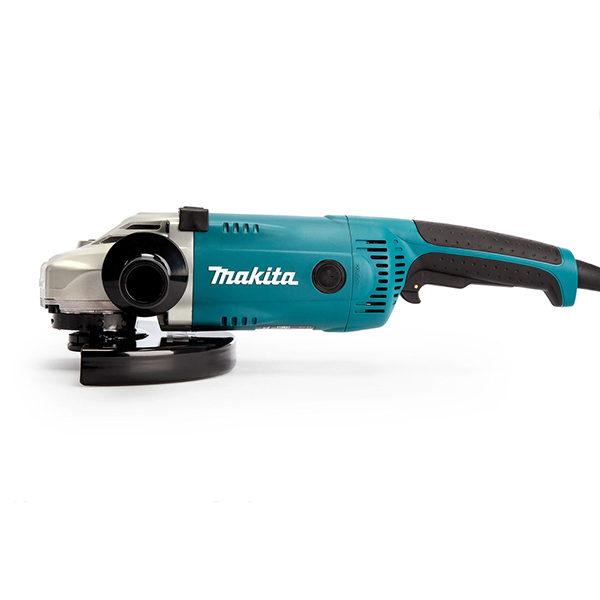
Corded tools are often preferred by professionals for their consistent power supply and reliability during long jobs. However, they also pose several risks:
Tripping hazards from tangled or extended cords.
Electrical shock risks if cords are frayed, cut, or exposed to water.
Limited mobility, which can cause awkward handling or overreaching.
Safety Tips:
Always check cords before use.
Use Ground Fault Circuit Interrupters (GFCIs) on site.
Keep cords elevated or taped down to prevent tripping.
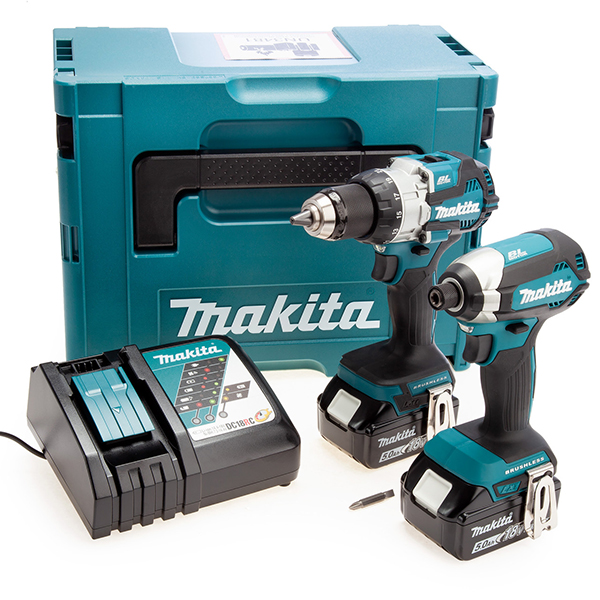
Cordless tools are a favorite among DIYers for their flexibility and ease of use. They’re ideal for small jobs, tight spaces, or mobile tasks — but batteries require attention.
Potential Hazards:
Overheating or short circuits if batteries are overcharged or damaged.
Fire risks from incompatible chargers or improper storage.
Sudden power loss if the battery dies mid-task, increasing injury risk.
Safety Tips:
Only use manufacturer-approved batteries and chargers.
Store batteries in cool, dry areas away from sunlight or heat.
Don’t mix battery brands across tools.
For safe usage of both tool types, Mindustrial safety's power tool range covers reliable options built with modern safety features in mind — whether you’re working on a job site or tackling a project at home.
Heavy-duty tools and site machinery are the backbone of civil engineering projects — from mixers and compactors to grinders and breakers. These tools are incredibly powerful, but that power comes with increased risk if not handled correctly.
For civil engineers, daily exposure to such tools demands strict adherence to safety practices. Even DIY users who rent or borrow heavy tools for home projects must exercise caution.
Noise-induced hearing loss from extended tool use
Muscle strain or back injuries from improper lifting
Impact injuries from flying particles or machine kickback
Unintentional start-ups causing surprise movements
Always wear high-visibility PPE, especially on active job sites.
Inspect tools for oil leaks, loose parts, or wear and tear before use.
Never operate machinery on unstable or uneven surfaces.
Use barriers or signage to alert others of ongoing work.
When working with heavy-duty power tools, regular maintenance checks are critical to ensure long-term safety and performance. Many incidents occur not from tool failure, but from operator oversight — such as ignoring warning signs or skipping pre-use inspections.
Laser tools are essential in modern construction and surveying — especially for civil engineers who rely on accurate leveling, alignment, and measurements. While they seem harmless compared to drills or saws, laser tools can still pose serious safety risks if misused.
Eye damage from direct exposure to laser beams
Battery malfunctions, especially in hot or damp environments
Trip hazards from poorly placed tripods or wires
Never look directly into the laser beam — even low-level lasers can cause retinal burns.
Use laser safety glasses where appropriate.
Always secure tripods to stable, flat surfaces to avoid toppling.
Turn off lasers when not in use to prevent accidental exposure.
Laser tools featured by mindustrial safety come with precision and safety certifications, making them ideal for both large-scale civil engineering work and small-scale home projects. Choosing certified tools is your first step toward safer, more reliable measurements.
Whether you're a seasoned civil engineer managing complex projects or a DIY enthusiast taking on weekend renovations, power tool safety should always be your top priority.
Each tool category — from corded and cordless options to heavy machinery and laser tools — comes with unique risks. But by understanding those risks and following simple precautions, you can reduce accidents and work more confidently and efficiently.
Take time to inspect your tools, wear the right protective gear, and always follow the manufacturer’s safety guidelines. These small steps make a big difference in preventing injuries and extending the life of your equipment.
In any setting — be it a bustling job site or your backyard workshop — a safety-first mindset is what truly powers great work.

Be the first to share your thoughts
No comments yet. Be the first to comment!
Share your thoughts and join the discussion below.
.webp&w=3840&q=75)

.webp&w=3840&q=75)


