Sunday, October 4, 2026

Sunday, October 4, 2026
* All product/brand names, logos, and trademarks are property of their respective owners.
In today’s fast-paced environments — whether in homes, hospitals, offices, or industrial spaces — keeping your walls, corners, and infrastructure safe from damage is more important than ever. And that’s where corner protectors come in. These small but mighty tools help prevent dents, cracks, and chips that often occur in high-traffic areas. But with so many types available in the market, choosing the right one can be confusing — especially when it comes to deciding between PVC vs rubber corner protectors.
Both PVC and rubber are widely used for wall and corner protection, and each material has its own pros and cons. On the surface, they might look similar — they’re both designed to protect corners from impact — but dig a little deeper, and you’ll see they serve very different needs depending on your space, budget, and long-term goals.
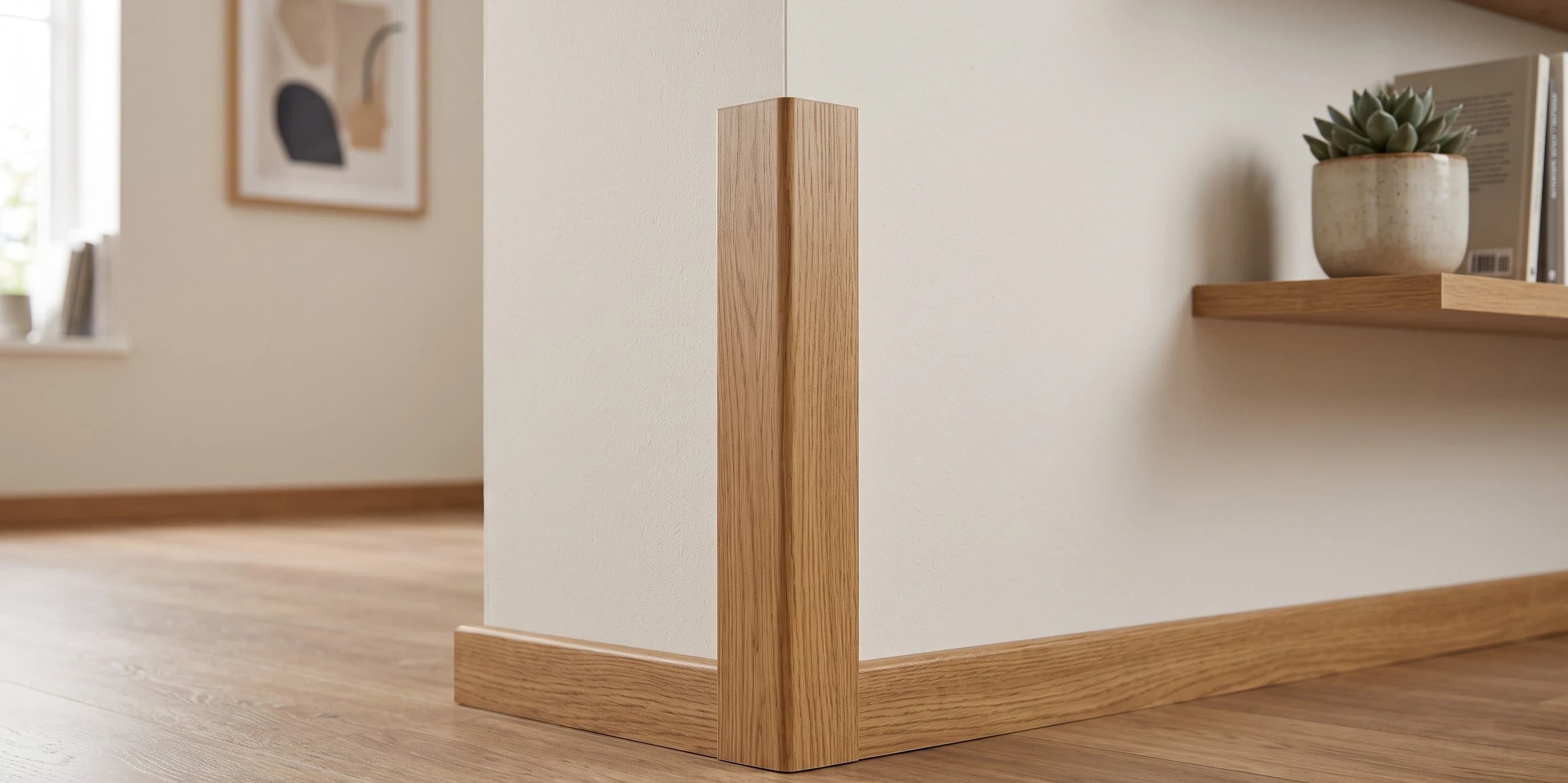
PVC corner protectors are known for being lightweight, cost-effective, and easy to install. They come in various sizes, colors, and finishes, making them ideal for indoor settings where appearance matters — such as homes, schools, and offices. On the other hand, rubber corner protectors are tougher, more flexible, and built to withstand heavy impact, making them the go-to choice for warehouses, factories, and parking lots.
So, how do you decide which one is right for you?
In this blog, we’ll break down the key differences between PVC and rubber corner guards, look at their benefits and limitations, and help you figure out the best option for your specific needs. Whether you’re a homeowner looking to childproof your living room or a facility manager trying to reduce maintenance costs in a commercial building — we’ve got you covered.
Still unsure?
Visit Cornerprotector.co.uk to explore the full range and find a product that fits your exact needs. Whether it’s PVC for elegance or rubber for endurance, we’ve got a solution tailored for your space.
PVC (Polyvinyl Chloride) is a synthetic plastic polymer that’s commonly used across various industries due to its durability, affordability, and ease of installation. When it comes to corner protection, PVC offers a practical solution for environments where aesthetics, hygiene, and light-to-medium impact resistance are priorities.
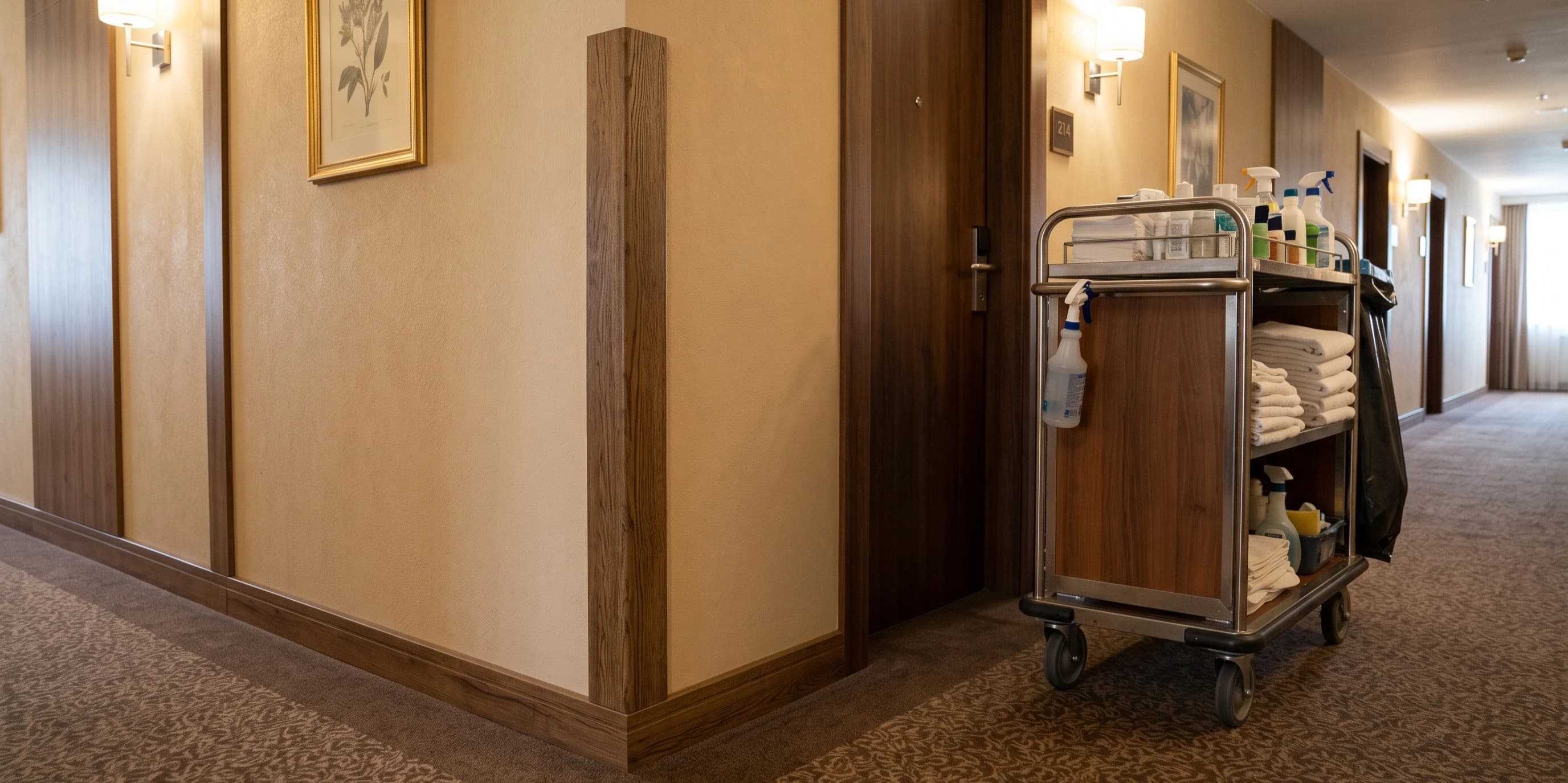
PVC corner protectors are widely used in homes, offices, hospitals, and educational institutions. They're available in a variety of colors, finishes, and sizes, making them easy to blend with existing wall décor. Many options are self-adhesive or screw-mounted, making them perfect for DIY-friendly wall protection. PVC is also easy to clean and resistant to moisture, making it ideal for indoor settings. While not as tough as rubber under extreme conditions, it performs well in everyday environments where minor bumps or scrapes are the norm.
Looking for PVC options? Explore our Rubber Wall Corner Protectors collections for a variety of styles and finishes.
Rubber corner protectors are made from high-density, shock-absorbing materials designed for tougher environments. Unlike PVC, rubber is known for its flexibility and strength, which allows it to absorb higher impact without cracking or warping.
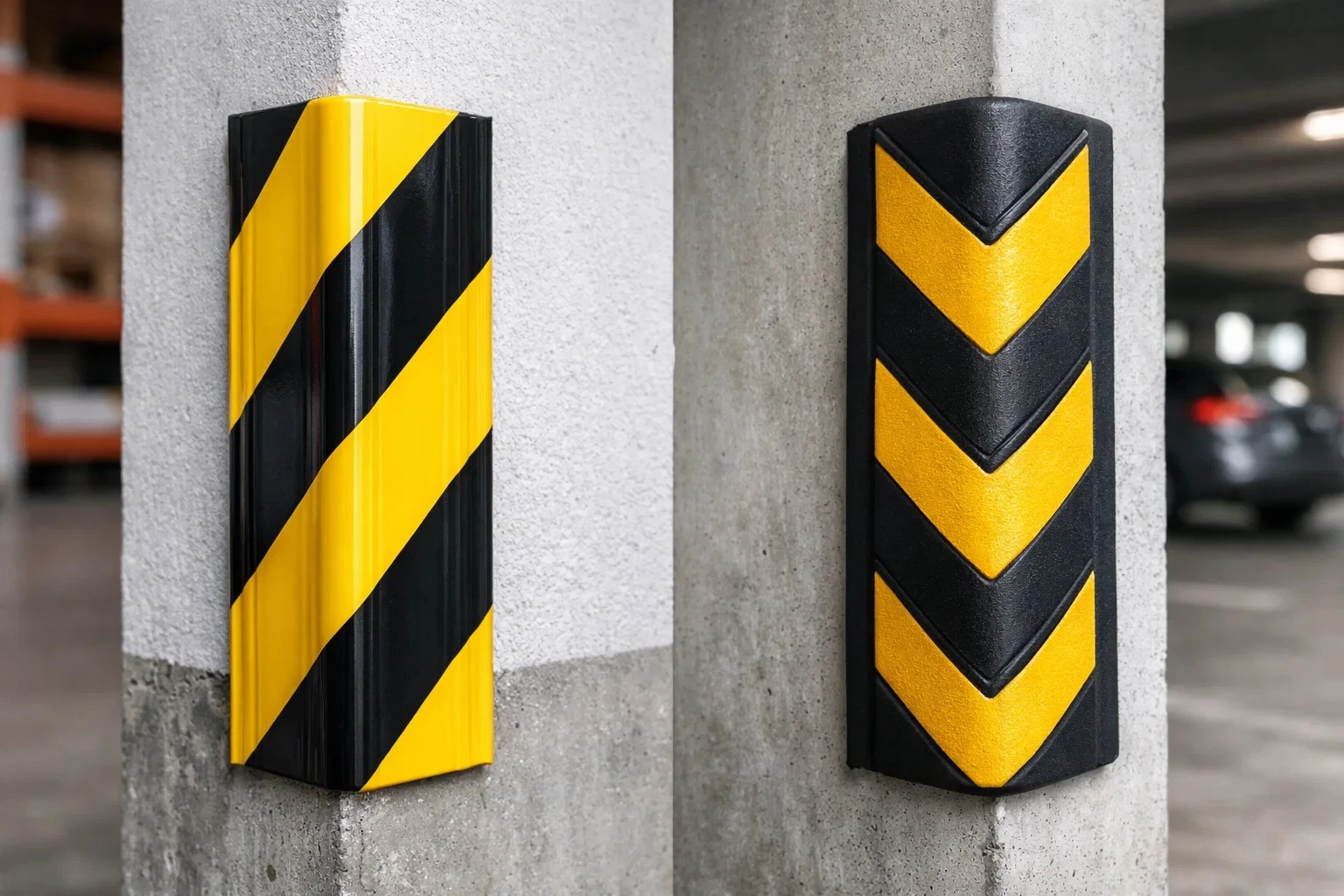
Rubber guards are most commonly found in industrial settings, parking lots, loading bays, and commercial kitchens — places where equipment, vehicles, or heavy traffic can cause frequent wall damage. They’re designed to perform under pressure, literally.
While rubber protectors may not offer the sleek appearance of PVC, they provide superior functionality in rugged conditions and are often black with yellow reflective strips for visibility and safety.
|
Feature |
PVC Corner Protectors |
Rubber Corner Protectors |
|
Flexibility |
Rigid but slightly bendable |
Highly flexible and impact-absorbent |
|
Weight |
Lightweight |
Heavier, more robust |
|
Durability |
Long-lasting indoors |
Built for heavy-duty, high-impact areas |
|
Appearance |
Customizable, matches décor |
Utility-focused, industrial look |
|
Ease of Install |
Easy DIY installation |
Requires proper tools or professional setup |
|
Cost |
Budget-friendly |
Slightly higher due to material toughness |
When choosing between PVC and rubber corner protectors, one of the most important factors is how much impact resistance you need. In a calm home or office, where traffic is minimal, PVC usually does the job. It can easily handle the occasional bump from furniture, wheelchairs, or trolleys without showing major signs of wear.
But in a high-impact zone — like a parking garage, industrial warehouse, or busy corridor — rubber is the better choice. Its shock-absorbing nature makes it ideal for protecting both walls and vehicles from damage. Rubber guards can withstand repeated hits from carts, forklifts, or even cars, without losing shape or strength.
So if you’re securing a space where impact is a daily concern, go with rubber. But for a polished indoor look with light protection, PVC will serve you well.
Installation is another major consideration. PVC corner guards often come with peel-and-stick backing or screw holes, making them perfect for DIY projects. They’re lightweight and easy to handle — a major bonus if you’re upgrading multiple rooms in a home, clinic, or school.
Rubber corner protectors, however, tend to be bulkier and require drilling or bolting, which may need professional help. They’re heavier, but once installed, they stay put and perform reliably even under tough conditions.
In terms of appearance, PVC wins in settings where aesthetics matter. It’s available in neutral tones or colors that match your interior. Rubber, while functional, usually comes in industrial black and yellow designs for visibility and safety — great for warehouses but not ideal for living rooms.
To make your decision easier, here’s a quick breakdown of which material suits which environment:
Each material has strengths in the right setting. By considering your environment, foot traffic, and the kind of protection you need, you’ll make a smarter investment that lasts longer and performs better.
When it comes to choosing between PVC and rubber corner protectors, the answer isn’t about which one is universally better — it’s about what’s better for your specific environment.
If you’re outfitting a home, office, school, or healthcare facility, PVC corner guards are a smart, affordable, and stylish solution. They’re easy to install, blend into your décor, and offer more than enough protection for everyday wear and tear. For example, parents looking to childproof sharp edges or schools aiming to protect walls from backpacks and trolleys will find PVC a great match.
But if you're dealing with high-impact environments — think industrial areas, loading docks, parking garages, or warehouses — rubber corner protectors are your best bet. They’re built for strength, capable of absorbing significant impact, and durable enough to handle the roughest conditions.
Both materials serve a purpose, and both are available in various sizes and configurations on our website.
Have questions?
Drop a comment below or reach out to our support team — we’re always here to help you choose the right protection for your walls, your budget, and your peace of mind.

Corner Protector UK is a specialist supplier of durable corner protection solutions designed to safeguard walls, edges, and surfaces in residential, commercial, and industrial spaces. The company focuses on delivering high-quality products that enhance safety, durability, and long-term maintenance.
Anyone who has taken on an outdoor project in Britain knows the weather rarely cooperates for long.
17 September 2026
Unwanted noise travelling between floors is one of the most common complaints in homes, flats and of
12 September 2026
Walk into most UK homes, and you'll find at least one doorway where the flooring doesn't quite line
4 September 2026
Be the first to share your thoughts
No comments yet. Be the first to comment!
Share your thoughts and join the discussion below.